Turn on your kitchen faucet, fill a glass, and take a sip. It’s a simple routine, but the technology behind properly filtered drinking water is more fascinating than you might expect.
Many homeowners experience unpleasant water tastes, mineral residue, or concerns about dissolved substances in their water supply. Although conventional filters can address certain problems, they may not provide the level of treatment required for particular dissolved contaminants.
Reverse osmosis offers an alternative approach that combines pressure, membrane technology, and complementary filtration stages.
For homeowners throughout Houston, Texas, understanding this treatment process can make choosing suitable drinking water equipment considerably easier.
Rather than purchasing a system based entirely on advertising claims, learning what happens inside the equipment can help you appreciate its advantages, understand its limitations, and make a more informed investment.
Discover the Science Behind Reverse Osmosis Water Purification
Water naturally collects dissolved minerals, salts, and other substances as it travels through the environment and distribution infrastructure. Some of these substances can influence taste, while others may require targeted treatment.
Understanding how reverse osmosis works begins with recognizing the relationship between water pressure and a specialized semipermeable membrane.
During natural osmosis, water moves across a semipermeable membrane toward a solution with a higher concentration of dissolved substances.
Reverse osmosis changes this natural process by applying sufficient pressure to move water in the opposite direction.
As water passes through the membrane, many dissolved substances are separated from the treated water. A separate stream carries concentrated rejected substances toward the drain.
The resulting treated water can then pass through additional filtration components before reaching your drinking water faucet.
Consider a household where conventional carbon filtration has improved unpleasant odors but hasn’t sufficiently reduced particular dissolved substances identified through testing. Reverse osmosis may provide a more appropriate treatment option.
However, its effectiveness depends on membrane quality, incoming water pressure, equipment configuration, and the specific substances being treated.
No purification technology automatically removes every possible contaminant. Reviewing certified performance data remains essential when selecting equipment for specific water quality concerns.
Explore the Advantages of Combining Multiple Filtration Stages
One filter alone cannot necessarily address every drinking water concern. Suspended particles, disinfectants, dissolved minerals, and unwanted flavors often require different treatment mechanisms.
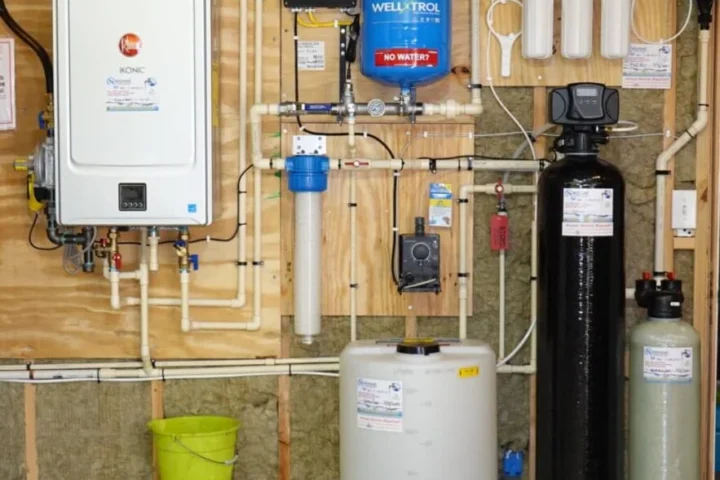
Modern multi-stage reverse osmosis systems combine complementary filtration technologies to address these concerns while supporting dependable equipment performance.
A typical residential treatment arrangement may include the following stages:
- Sediment filtration: Captures suspended particles such as sand, dirt, and rust before they reach sensitive components.
- Carbon prefiltration: Helps reduce chlorine and selected organic substances while protecting compatible membranes.
- Reverse osmosis treatment: Separates many dissolved substances from incoming water through membrane technology.
- Carbon post-filtration: Helps improve the taste and odor of treated drinking water.
- Optional remineralization: Adds selected minerals to influence the final taste of the water.
Each stage performs a different function, contributing to the overall treatment process.
Imagine preparing coffee with water that has undergone suitable preliminary treatment, membrane separation, and final-stage filtration. Reducing unwanted flavors may allow you to appreciate the natural characteristics of your favorite beverage more fully.
However, having more filtration stages doesn’t automatically mean better treatment.
The effectiveness of each component, its compatibility with the system, and independently certified contaminant reduction capabilities matter considerably more than the number of filters advertised.
Understand the Importance of the Membrane in Water Purification
At the center of every reverse osmosis system is a specialized component responsible for separating many dissolved substances from incoming water.
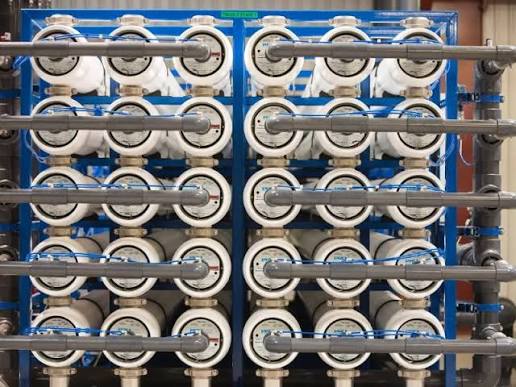
The ro membrane plays a central role in this process by allowing water to pass through while rejecting many dissolved salts, minerals, and other targeted contaminants.
Unlike conventional sediment filters that primarily capture suspended particles, this component addresses substances dissolved within the water itself.
Its performance can be influenced by several operating conditions, including incoming water pressure, temperature, mineral concentration, and preliminary filtration effectiveness.
Over time, accumulated deposits and exposure to incompatible substances may reduce membrane performance.
This is one reason why appropriate preliminary treatment matters so much. Sediment filters and carbon cartridges help establish suitable operating conditions before water reaches this sensitive component.
Homeowners should follow manufacturer recommendations regarding replacement intervals and equipment maintenance.
Unexpected changes in treated water production or dissolved solids readings may indicate that professional attention is required.
However, a dissolved solids reading alone cannot confirm whether drinking water is free from harmful contaminants.
Periodic testing for specific substances remains important when filtration is installed to address particular safety concerns.
Enjoy the Everyday Convenience of Appropriately Filtered Water
Installing suitable reverse osmosis equipment can make several everyday household activities more enjoyable.
Having treated water readily available at your kitchen sink means you don’t need to rely entirely on bottled water for cooking, beverage preparation, or daily hydration.
Think about filling reusable water bottles before work, preparing homemade soup, or brewing a fresh pot of tea without opening several plastic bottles.
These small conveniences can add up over time.
Reducing dependence on packaged drinking water may also help minimize household plastic waste and recurring grocery expenses.
Actual financial benefits depend on equipment costs, water consumption, replacement filters, and ongoing maintenance requirements.
Choose a Reverse Osmosis System That Fits Your Houston Home
Before purchasing equipment, consider your household’s daily drinking water requirements, available installation space, incoming water pressure, and existing water quality.
Traditional systems with storage tanks provide treated water for later use, while tankless configurations produce water as needed.
Homeowners should also compare water recovery efficiency, drainage requirements, certified contaminant reduction capabilities, and replacement component costs.
Professional water testing can help determine whether reverse osmosis alone is appropriate or whether additional treatment would provide meaningful benefits.
Choosing equipment based on actual household requirements helps prevent unnecessary spending and disappointing results.
Maintain Your Filtration Equipment for Dependable Performance
Even advanced water purification equipment requires regular maintenance.
Replace preliminary filters, carbon cartridges, and membrane components according to manufacturer recommendations.
Monitor noticeable changes in water flow, taste, and production capacity. Arrange professional servicing when necessary, and keep a record of replacement dates.
Consistent maintenance helps preserve treatment effectiveness while making long-term ownership expenses easier to manage.
Make Better Drinking Water Part of Your Everyday Lifestyle
Understanding reverse osmosis takes much of the uncertainty out of choosing drinking water equipment.
For Houston homeowners, carefully selected filtration technology offers a practical opportunity to address specific water quality concerns while enjoying greater kitchen convenience.
Begin with reliable water testing, compare certified equipment, and establish a consistent maintenance routine.
Ultimately, investing in appropriate water purification isn’t just about technology. It’s about enjoying refreshing beverages, preparing flavorful meals, and making quality drinking water a convenient part of everyday family life.