It’s often the little things that make a home feel comfortable. A shower that leaves your skin feeling clean, sparkling glasses straight out of the dishwasher, and faucets that don’t need scrubbing every few days all make everyday routines a little easier. When mineral-rich water enters the picture, though, those simple pleasures can become surprisingly frustrating.
You might notice white marks on the bathroom fixtures, soap that refuses to lather properly, or a kettle that develops a chalky coating after only a few uses. These problems are common in areas with hard water, and they can affect more than just the appearance of your kitchen and bathroom.
Fortunately, understanding what’s happening inside your plumbing can help you decide whether a water softener is worth considering. With the right information, you can choose a solution that suits your household instead of spending money on products that only address part of the problem.
What Makes Water Hard in the First Place?
Water becomes hard when it contains elevated amounts of dissolved minerals, primarily calcium and magnesium. These minerals occur naturally as groundwater moves through rocks and soil, gradually dissolving small amounts of mineral content along the way.
The amount varies considerably by location. Two homes only a few miles apart can have noticeably different water quality, particularly when one relies on a municipal supply and the other uses a private well.
For households dealing with hard water, the first clues often appear during ordinary chores. Soap may form less lather, freshly washed dishes can develop cloudy spots, and bathroom surfaces may need more frequent cleaning. Some people also notice that towels feel less soft after washing.
Hard water isn’t generally considered a health hazard simply because of its mineral content. Calcium and magnesium are minerals that people also obtain through food. The bigger concern for many homeowners is the effect these minerals can have on plumbing, appliances, cleaning routines, and overall convenience.
A water hardness test can establish whether mineral levels are high enough to justify treatment. Testing is a sensible first step because it provides a measurable result rather than relying on stains or soap performance alone.
How Mineral Deposits Affect Your Home
One of the most familiar consequences of hard water is the chalky residue left behind when water evaporates. You might wipe down a faucet in the morning, only to find fresh white spots by the evening. It’s a small annoyance, but it can become a regular cleaning job.
Over time, scale deposits can also accumulate inside pipes, showerheads, washing machines, dishwashers, and water heaters. The extent of the buildup depends on water hardness, temperature, water use, and the design of the equipment.
Heating appliances deserve particular attention. As hard water is heated, minerals can precipitate out of the water and form scale on internal surfaces. This buildup may interfere with heat transfer and contribute to reduced efficiency or increased maintenance needs. The actual effect varies by appliance and operating conditions, so not every home will experience the same problems.
Scale can also restrict small openings in showerheads and faucet aerators, affecting water flow. In severe cases, deposits may contribute to costly equipment issues. However, not every plumbing blockage is caused by hard water; corrosion, sediment, and other materials can create similar symptoms.
Regular cleaning can help manage surface deposits, but it doesn’t prevent minerals from entering the plumbing in the first place. If buildup keeps returning, it may be time to investigate the water itself.
How a Water Softener Works
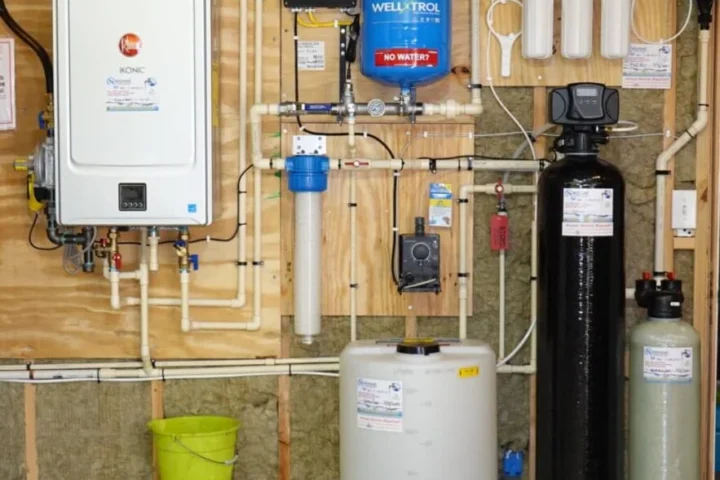
A conventional water softener typically uses a process called ion exchange. Water passes through a tank containing resin beads that attract calcium and magnesium ions. In exchange, the resin releases sodium or, in some systems, potassium ions into the treated water.
Eventually, the resin becomes saturated with hardness minerals. The system then regenerates, usually using a salt solution to flush the accumulated minerals away so the resin can continue working.
This process reduces hardness, which can help limit new mineral scale and make soaps and detergents work more effectively. Homeowners may notice less spotting on fixtures, easier bathroom cleaning, and fewer chalky deposits on surfaces.
It’s important to understand what softening does not accomplish. A standard softener isn’t a complete drinking-water purification system, and it doesn’t automatically remove bacteria, pesticides, or every dissolved contaminant. If your water has several quality concerns, separate treatment technologies may be necessary.
Some people also need to consider sodium levels in softened water. Ion-exchange softeners increase sodium concentration to some degree, depending on the original hardness. Households with specific dietary restrictions should discuss the implications with a healthcare professional and consider suitable alternatives, such as potassium-based regeneration or an untreated drinking-water tap where appropriate.
Why Professional Installation Can Make a Difference
Buying a water softener is one decision; ensuring it works properly is another. System capacity, water hardness, household consumption, plumbing layout, and regeneration settings all influence how well a unit performs.
Professional water softener system installation can help ensure the equipment is sized appropriately and connected according to the manufacturer’s requirements and applicable plumbing codes. A qualified installer can also evaluate drainage arrangements, available space, water pressure, and the location of the main water line.
Correct sizing matters. An undersized system may regenerate too frequently or struggle to meet household demand. An unnecessarily large unit can cost more than needed and may operate inefficiently if it isn’t configured correctly.
Before agreeing to an installation, ask what the quoted price includes. Does it cover bypass valves, fittings, drainage connections, testing, and setup? Will the installer explain how to add salt and recognize common maintenance issues? What happens if the system develops a leak or stops regenerating properly?
A dependable professional should be willing to answer these questions without making the process feel intimidating. You should understand what you’re paying for and what the equipment is expected to accomplish.
Choosing the Right System for Your Household
Water softeners come in different sizes and configurations. Some are designed for smaller households, while others can accommodate larger families with greater water consumption. Demand-initiated regeneration models measure usage and regenerate when needed, rather than following a fixed schedule regardless of demand.
When comparing systems, consider more than the advertised price. Look at the rated capacity, salt consumption, water efficiency, warranty terms, availability of replacement parts, and ongoing servicing requirements.
Ask whether the equipment has independent certification relevant to its stated performance. Also check whether the system is appropriate for your water chemistry. For example, water containing high levels of iron or manganese may require pretreatment or specialized equipment to protect the softener.
If you’re unsure whether a softener is necessary, a water test and a conversation with a qualified water treatment professional can help clarify your options. In some homes, a different treatment method or a targeted maintenance plan may be more suitable.
Keeping Your Water Softener in Good Condition
Once installed, a softener needs routine attention. Check the salt level according to the manufacturer’s instructions, keep the brine tank clean when necessary, and watch for changes in water performance. Some systems also need periodic servicing to maintain their settings and operating condition.
If mineral spots begin returning or the water feels noticeably different, don’t immediately assume the unit has failed. The cause could be an empty salt supply, a regeneration issue, a change in incoming water quality, or a component that needs inspection.
Keep a record of maintenance visits and any changes to your water supply. These details can make troubleshooting easier and help your installer identify recurring problems.
A More Comfortable Home Starts With Better Water
Hard water can turn simple household tasks into a cycle of cleaning, scrubbing, and maintaining equipment. Although the minerals themselves are common in many water supplies, their effects don’t have to dictate how you manage your home.
Start by testing your water, understanding the level of hardness, and considering how it affects your daily routines. If a softener makes sense, choose a system that fits your household and have it installed correctly. With appropriate maintenance, it can help reduce mineral buildup and make everyday cleaning less of a chore.
The goal isn’t to create a complicated water system. It’s to find a practical solution that works quietly in the background, leaving you with fewer deposits to clean, less frustration around the house, and more time for the things that matter.