Water is something most of us use without thinking twice. We turn on the tap to fill a glass, cook dinner, wash vegetables, or take a shower, expecting everything to be fine. Yet water can contain minerals, sediment, disinfectants, and other substances that affect its taste, smell, appearance, and suitability for different uses. Even water that looks perfectly clear may have characteristics worth investigating.
The good news is that improving household water doesn’t have to be complicated. Understanding what’s in your supply, identifying the problems that matter, and choosing suitable equipment can make a noticeable difference. The trick is to start with information rather than buying the first system that promises cleaner water.
Why Your Water Deserves a Closer Look
Water quality varies from one location to another. Homes connected to municipal supplies may receive treated water, while properties using private wells depend on local groundwater conditions and the maintenance of their own systems. Plumbing materials, aging pipes, seasonal changes, and naturally occurring minerals can also influence what comes out of a tap.
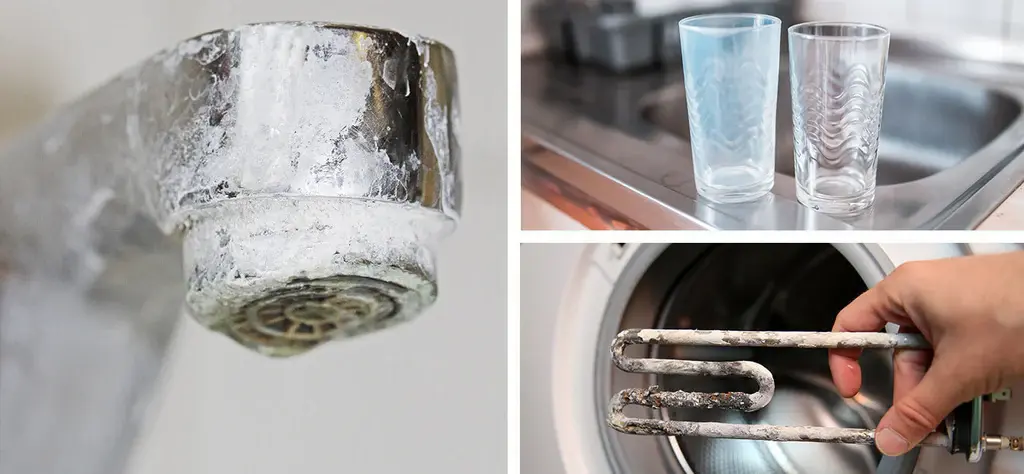
Sometimes the signs are obvious. White deposits around faucets may indicate hard water, while reddish stains in sinks can suggest iron. An unpleasant sulfur-like smell might point to hydrogen sulfide, although other causes are possible. A swimming-pool-like taste can sometimes be associated with chlorine used during municipal treatment.
Other concerns are less visible. Certain contaminants cannot be detected reliably through taste, smell, or appearance alone. That’s why a glass of clear water isn’t proof that everything is as it should be.
Start With Testing, Not Guesswork
Before choosing equipment, take time to understand your existing supply. A basic assessment can identify common issues such as hardness, pH imbalance, iron, or chlorine. Depending on the source and circumstances, additional laboratory analysis may be appropriate.
For private wells, testing for bacteria, nitrates, and other locally relevant contaminants is especially important. Testing schedules should follow public health recommendations and account for changes in the well, surrounding land use, or water characteristics. Municipal customers can review their supplier’s annual water quality report, but household plumbing may introduce separate concerns that the report doesn’t address.
Understanding your water quality gives you a practical starting point. Rather than treating every possible contaminant, you can focus on the problems actually present in your home. That approach may save money, reduce unnecessary maintenance, and help you select a system with a clear purpose.
If you notice a sudden change in color, taste, or odor, don’t simply assume an old filter will solve it. Contact your water supplier if you’re on a public system, or arrange appropriate testing if you use a private well. If contamination is suspected, follow local health guidance about whether the water is safe to drink.
Understanding Different Water Treatment Solutions
There isn’t one treatment system that works best for every household. Different technologies address different problems, and selecting the right one depends on your water source, test results, budget, and daily needs.
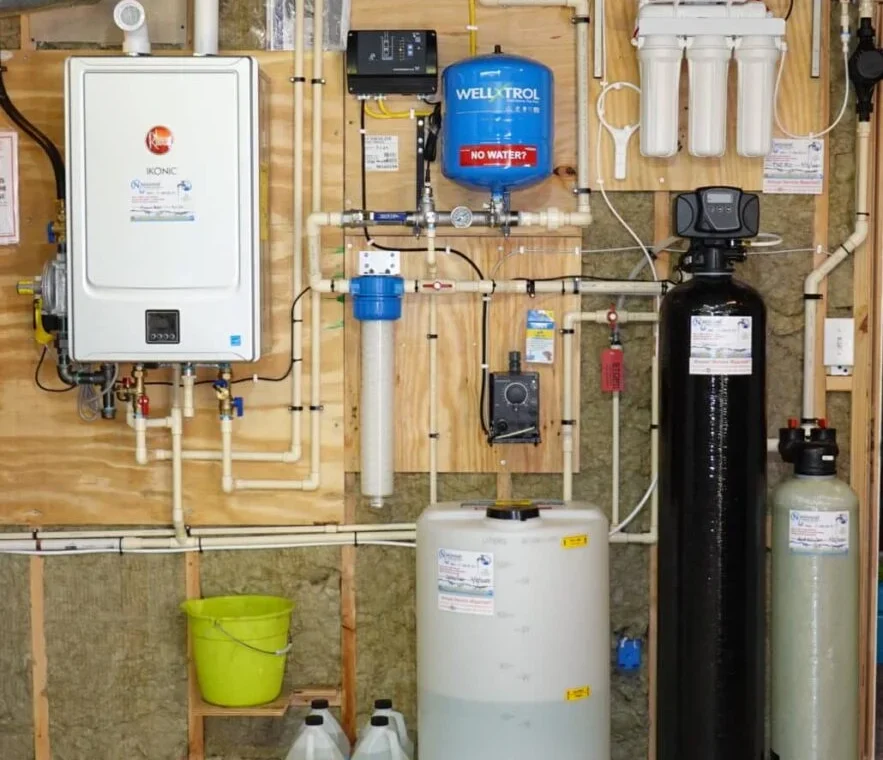
Effective water treatment solutions may include sediment filters, activated carbon filters, water softeners, reverse osmosis units, and ultraviolet disinfection systems. Each has a particular role.
Sediment filters capture particles such as sand, silt, and rust. Activated carbon can reduce chlorine taste and odor, along with certain organic compounds, when the filter is specifically designed and certified for those substances. Water softeners typically use ion exchange to reduce hardness minerals, helping limit scale on fixtures and appliances. Reverse osmosis systems push water through a semipermeable membrane to reduce many dissolved substances, although performance depends on the system and the contaminants involved.
Ultraviolet systems can inactivate microorganisms when properly designed and maintained, but they don’t remove dissolved chemicals or particles. Pre-treatment may be necessary to ensure the UV system works effectively.
These technologies aren’t interchangeable. A softener won’t disinfect contaminated well water, and a carbon filter shouldn’t be assumed to remove every chemical. Matching the equipment to the problem is what makes treatment worthwhile.
Whole-Home Filtration or Drinking Water Filtration?
One important decision is whether to treat water throughout the house or focus on specific taps.
Whole-home systems, sometimes called point-of-entry systems, are installed where water enters the property. Depending on the equipment, they can reduce sediment, chlorine, or other targeted substances before water reaches showers, laundry machines, and faucets. They’re useful when the concern affects several parts of the home rather than drinking water alone.
By contrast, point-of-use systems treat water at a particular location, commonly beneath the kitchen sink or through a dedicated drinking-water faucet. Reverse osmosis is a popular example. It can be a sensible option when the main priority is improving water used for drinking and cooking.
Choosing water filtration equipment requires looking beyond broad marketing claims. Check which contaminants a product is tested and certified to reduce, whether its flow rate suits your household, and how often cartridges need replacement. Certifications from recognized organizations, such as NSF, can help consumers verify specific performance claims. A certification for one contaminant does not automatically mean the product removes others.
A whole-home system may cost more initially and involve more complicated installation. A small under-sink filter might be enough for a household whose main complaint is chlorine taste. On the other hand, a property with widespread sediment or a well-water issue may need a broader treatment plan.
Maintenance Is Part of the Solution
Even a well-chosen system needs attention. Filters eventually become clogged or lose effectiveness, softeners require appropriate salt levels and occasional checks, and reverse osmosis membranes have their own replacement schedules. UV lamps also need to be changed according to manufacturer instructions, even when they still appear to be working.
Neglected equipment can deliver disappointing results and may create additional problems. Follow the maintenance schedule, keep records of cartridge changes, and arrange periodic testing when the original issue involves a health-related contaminant.
It’s also worth considering water use. Some reverse osmosis systems produce wastewater during operation, while softeners use water during regeneration. Newer equipment may improve efficiency, but actual performance depends on its design and settings. Ask installers about ongoing operating costs, not just the purchase price.
Making a Confident Choice
Water improvement is rarely about buying the most expensive equipment or installing every available filter. It’s about solving a specific problem in a reliable, practical way.
Start with your water source and any changes you’ve noticed. Review available reports or arrange testing, then compare systems based on verified performance, installation requirements, maintenance, and long-term cost. If the results are difficult to interpret, a qualified water treatment professional can help explain which options fit your circumstances.
Clean, dependable water supports everyday comfort, from a better-tasting cup of tea to fewer mineral deposits around the bathroom sink. More importantly, informed decisions can help address genuine water concerns without unnecessary expense. When you know what your water needs, choosing the right treatment becomes a much simpler task.