Most plumbing problems don’t arrive with much warning. A pipe may drip for weeks before anyone notices the damp patch beneath a sink. A drain might become slower each day until the water finally stops moving altogether. And a water heater that has been making strange noises for months can suddenly decide it has had enough on the coldest morning of the year. These situations are frustrating, but many of them offer clues before they turn into expensive repairs.
Looking after a home’s plumbing doesn’t require a professional toolkit or hours of work every weekend. A little attention, a few sensible habits, and the willingness to deal with small concerns early can make a real difference. The trick is knowing what to watch for and understanding when a problem needs more than a quick fix.
Pay Attention to the Signs Your Plumbing Gives You
People often get used to small changes around the house. The kitchen tap starts rattling, the shower pressure drops slightly, or the toilet needs an extra flush. Because everything still seems to work, it’s easy to put these things off. Unfortunately, minor changes can point to a developing issue.
Take water pressure, for example. A sudden drop may come from a clogged fixture, a supply problem, or a leak somewhere in the system. If several taps are affected at once, the cause may be more widespread than a dirty aerator. Likewise, an unexplained increase in your water bill deserves attention, especially if your household’s water use hasn’t changed.
Walk through the house occasionally and look beneath sinks, around toilets, near the washing machine, and beside the water heater. You’re looking for dampness, corrosion, loose connections, or signs of mineral buildup. This simple habit can help prevent damage by catching leaks before they affect cabinets, flooring, walls, or nearby electrical components.
Keep Drains Clear Without Being Too Aggressive
A slow drain is one of those household annoyances people tend to ignore until it becomes impossible to overlook. In kitchens, grease, food scraps, and soap residue can gradually narrow the passage. Bathroom drains often collect hair and personal-care products, while toilets can become blocked by items that should never have been flushed.
A drain strainer is an inexpensive way to catch debris before it enters the pipe. In the kitchen, wipe greasy pans before washing them and avoid pouring cooking oil down the sink. In the bathroom, remove visible hair from the drain cover regularly. These little tasks may not feel important, but they reduce the amount of material that accumulates inside the plumbing.
Be careful with chemical drain cleaners, too. Some products can damage certain pipes or create hazards when mixed with other cleaning chemicals. If a blockage keeps returning, the issue may be deeper in the line and worth having inspected. Repeatedly forcing the problem out of sight doesn’t necessarily solve it.
Know Where the Main Water Shutoff Is
Every homeowner should know how to turn off the main water supply. It’s a detail that’s easy to forget until a pipe bursts or a flexible supply hose fails. When water is spreading across the floor, searching online for the location of a shutoff valve is the last thing anyone wants to do.
The valve is often near where the main water line enters the property, though its location varies by building. Find it before an emergency happens, make sure it can be reached easily, and learn how it operates. If it’s stiff or appears damaged, ask a plumber to check it rather than forcing it.
It’s also useful to know the individual shutoff valves beneath sinks and behind toilets. These allow you to isolate one fixture without interrupting water to the whole house. In a genuine leak emergency, shutting off the supply quickly can limit the amount of water released and make cleanup much more manageable.
Make Routine Care Part of Homeownership
Plumbing systems are often hidden behind walls, beneath floors, or in utility spaces, so it’s tempting to assume they’ll keep working without attention. In reality, pipes, valves, seals, drains, and appliances all experience wear over time. Good proper maintenance means checking the parts you can access, following appliance instructions, and arranging repairs when something seems wrong.
Inspect visible supply hoses periodically, particularly those connected to washing machines and dishwashers. Look for cracks, bulges, rust around fittings, or signs of moisture. Replace worn components before they fail. If your home has older plumbing, ask a qualified plumber whether any materials or connections deserve closer attention.
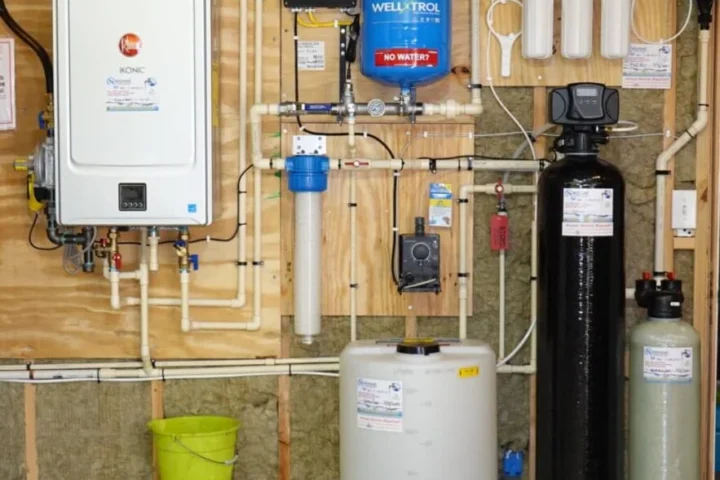
Water heaters also benefit from routine care. Unusual popping sounds, rusty-looking hot water, or moisture around the base can signal a developing problem. The right maintenance depends on the heater’s type and manufacturer’s recommendations, so avoid adjusting unfamiliar components yourself. Gas appliances and electrical connections deserve particular caution.
A maintenance schedule doesn’t have to be complicated. A seasonal reminder on your phone can be enough to check exposed pipes, test accessible shutoff valves, and look for leaks. The point is consistency, not perfection.
Be Careful With What Goes Down the Toilet
Toilets are designed to handle human waste and toilet paper. Despite what packaging may suggest, many wipes, cotton pads, paper towels, and hygiene products don’t break down quickly enough to move safely through household pipes. They can catch on rough surfaces or collect with other debris, eventually forming a stubborn blockage.
Children may also flush small toys or other objects out of curiosity. If a toilet begins backing up repeatedly, don’t keep flushing in the hope that it will clear. That can cause an overflow and leave you with a much bigger mess. Stop using the fixture and investigate safely, or call a plumber if the blockage cannot be cleared with an appropriate method.
If more than one drain starts backing up at the same time, the problem may involve the main sewer line rather than an individual fixture. Gurgling sounds, sewage odours, or water appearing in a shower when another fixture is used are also worth taking seriously. These symptoms call for professional assessment.
Check for Leaks After Plumbing Work
Any time a tap, toilet, appliance hose, or pipe connection has been repaired or replaced, take a moment to inspect the area afterward. A fitting can look secure yet develop a small leak once the water is running and pressure returns. Check again after the fixture has been used, and keep an eye on the area over the next day or two.
For larger jobs, arrange testing & follow-up with the plumber so you understand what was checked, whether the system is operating correctly, and if anything else needs attention. Ask for clear information about the work completed and any signs that should prompt another call. A good follow-up conversation can prevent confusion later, especially when the repair involves hidden pipes or a recurring problem.
Keep receipts and notes about significant plumbing work. Knowing when a water heater was installed or a sewer line was repaired can help with future decisions. It also gives a plumber useful context if a similar issue returns.
Know When to Call a Professional
Some tasks, such as cleaning a drain cover or checking beneath a sink, are reasonable for most homeowners. Others require specialist tools, training, or a clear understanding of local building and safety requirements. Persistent leaks, sewer backups, suspected pipe damage, gas-line concerns, and water heaters showing signs of failure should not be treated as casual DIY projects.
A qualified plumber can identify the underlying cause instead of repeatedly treating the symptoms. That matters because the visible problem isn’t always where the real trouble begins. A damp wall, for instance, may be caused by a leak several feet away, with water travelling along a pipe or building material before it appears.
Small Actions Make a Lasting Difference
A well-maintained plumbing system rarely gets much attention, and that’s usually a good thing. Water flows when you need it, drains empty properly, and household routines continue without interruption. While no maintenance plan can prevent every failure, noticing changes early and responding sensibly can reduce the chance of avoidable damage.
Start with the basics: look for leaks, treat drains carefully, learn the shutoff locations, and keep track of repairs. If something seems unusual, don’t wait simply because the plumbing still works. A small concern addressed today is often easier to manage than an emergency discovered tomorrow.