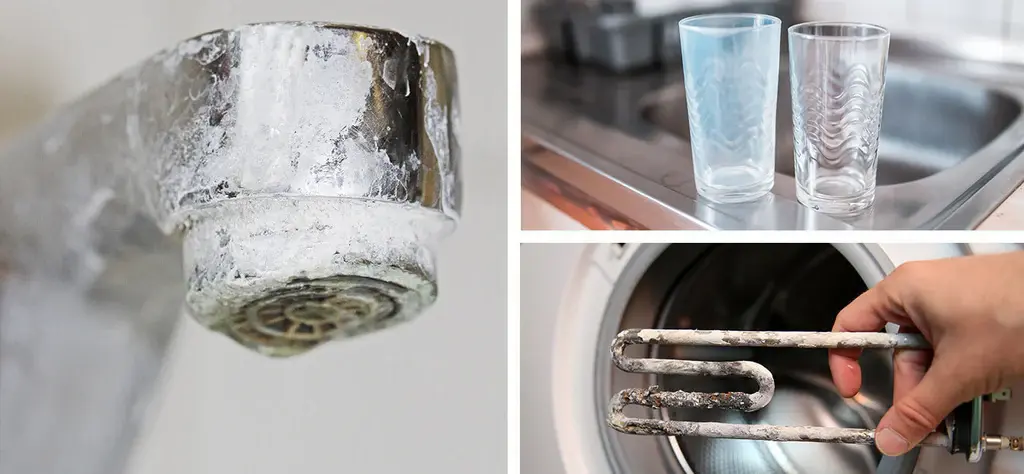
Choosing a water treatment company isn’t always something people think much about until a problem shows up. Maybe the water tastes strange, white spots keep appearing on the kitchen tap, or the family is tired of dealing with hard water stains on dishes and bathroom fixtures. Whatever the issue, finding the right help can make everyday life a little easier.
Water treatment is about more than installing a filter or fitting a new piece of equipment. It involves understanding the water supply, identifying the problem, recommending a practical solution, and making sure everything continues to work as expected. That’s where the experience, values, and personal approach of a company can really matter. For many homeowners and businesses, working with an established local provider offers something valuable: the feeling that there’s a real person ready to help when questions arise.
Why the Company Behind the Equipment Matters
When comparing water treatment providers, it’s tempting to focus entirely on products, prices, and technical specifications. These details are important, of course, but they don’t tell the whole story. Two companies may offer similar filtration systems while providing very different levels of guidance and ongoing support.
A reliable provider takes time to understand the situation before recommending equipment. Water from a municipal supply may have different characteristics from water drawn from a private well. Some households struggle with mineral deposits, while others want to improve taste, reduce unpleasant odors, or address concerns identified through water testing.
The right solution depends on what’s actually happening with the water. A company that asks thoughtful questions, explains its recommendations clearly, and avoids pushing unnecessary upgrades can help customers make better decisions. That kind of honesty is worth looking for, especially when a system represents a significant household expense.
The Personal Touch of a Family-Owned Business
There’s something reassuring about dealing with a business where relationships still matter. A family-owned company often has a strong connection to its community and a personal interest in maintaining its reputation. Customers aren’t simply another appointment on the calendar; they’re people who may return for maintenance, refer neighbors, or call again when their needs change.
Of course, every business is different, and being family-owned doesn’t automatically guarantee excellent service. What matters is how those values show up in everyday interactions. Does the team listen carefully? Are recommendations explained without confusing technical language? If a customer has a concern after installation, is someone willing to help work through it?
These small moments can shape the entire experience. Think about a homeowner who notices a change in water pressure a few weeks after installing a filtration system. Clear advice and a timely response can turn a frustrating situation into a manageable one. Customers remember that sort of attention, often longer than they remember the equipment itself.
Experience Helps Solve Real Water Problems
Water quality can be complicated, and a problem that looks simple on the surface may have several possible causes. Cloudy water, for example, can result from trapped air, suspended particles, or other conditions. Mineral buildup may suggest hard water, but testing and proper assessment are still important before choosing a treatment method.
A provider with over 45 years of experience has had opportunities to encounter a wide range of household and commercial water concerns. That history can be valuable when it comes to recognizing common patterns, understanding equipment limitations, and helping customers avoid solutions that don’t address the underlying issue.
Experience also helps with setting realistic expectations. A filtration system may improve taste and reduce particular contaminants, but no single product removes every possible impurity. Water softeners address hardness minerals, while other technologies are designed for different purposes. The best recommendation depends on the water analysis, the intended use, and the customer’s priorities.
Rather than promising a perfect result without evidence, an experienced professional should explain what a system can do, what it cannot do, and whether additional testing or treatment may be necessary.
Good Water Treatment Starts With Testing
It’s easy to assume that water is safe if it looks clear and tastes fine. Unfortunately, appearance and taste alone cannot establish whether water is safe to drink. Some contaminants have no noticeable color, odor, or flavor, which is why appropriate testing matters.
For homeowners using private wells, testing can be particularly important because water quality may change with weather, nearby land use, plumbing conditions, or other environmental factors. Municipal water users may also have specific concerns, such as excessive hardness, unpleasant taste, or the condition of household plumbing.
A dependable provider can help determine which tests are appropriate for the situation and explain the results in understandable terms. Depending on the findings, treatment might involve sediment filtration, activated carbon, water softening, reverse osmosis, or another suitable method.
The goal isn’t to install the most complicated system available. It’s to identify the actual concern and choose a solution that addresses it effectively without adding unnecessary expense or maintenance.
Customer Service Should Continue After Installation
Buying a water treatment system is only the beginning of the relationship. Filters need replacing, components may require servicing, and household water needs can change over time. Even a well-designed system needs occasional attention.
This is why exceptional customer service should mean more than a friendly conversation during the sales process. It should include clear installation guidance, straightforward maintenance instructions, reasonable response times, and honest communication when something needs attention.
Customers should understand how often filters typically need changing, which signs might indicate a problem, and whom to contact for assistance. They should also receive clear information about warranty coverage and any ongoing service costs before making a purchase.
Good support can prevent small issues from becoming bigger headaches. It can also help equipment perform as intended for longer, provided the system is maintained according to the manufacturer’s recommendations.
Just as importantly, customers should feel comfortable asking questions. Water treatment terminology can be confusing, and there’s no reason people should need technical expertise simply to understand what they’re buying.
Finding a Solution That Fits Your Home and Budget
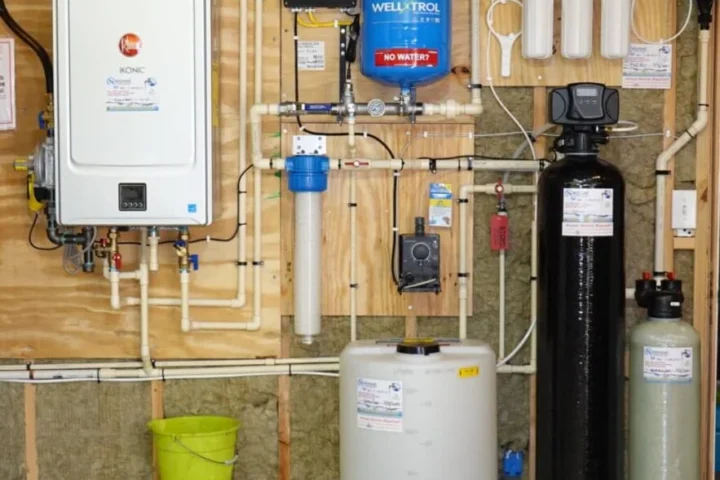
Every property has different requirements. A small household with a taste concern may need a relatively simple filtration system, while a larger property with hard water throughout the plumbing may benefit from a whole-house softener. Businesses can have even more specific needs depending on their operations, equipment, and water consumption.
Before choosing a system, consider the installation cost, replacement filters, electricity or water use where applicable, and routine maintenance. The cheapest option upfront isn’t always the most economical over several years. On the other hand, an expensive system isn’t automatically the best choice.
Ask for an explanation of the recommended technology and the problem it is intended to solve. If testing is needed, understand what the results mean. Request a clear estimate and find out what ongoing support is available.
A trustworthy company should welcome these questions rather than make the process feel rushed. The right decision is one that balances water quality, practical needs, and long-term affordability.
Building Confidence in Every Glass of Water
Water is part of nearly everything we do, from preparing breakfast to washing clothes and keeping a business running smoothly. When the supply creates problems, the effects can become surprisingly frustrating. A suitable treatment system, backed by knowledgeable guidance, can help make those everyday routines easier.
Choosing a provider is therefore about more than comparing equipment. It’s about finding a team that understands the importance of accurate testing, sensible recommendations, dependable installation, and continued support.
Take time to review your water concerns, ask questions, and compare solutions before making a decision. Look for clear explanations rather than sweeping promises, and consider whether the company is prepared to support you after the initial purchase.
Ultimately, the best water treatment partner is one that helps you understand your options and feel confident about the choice you make. When practical expertise meets a genuine commitment to customers, better water becomes more than a product on a shelf. It becomes a dependable part of everyday life.