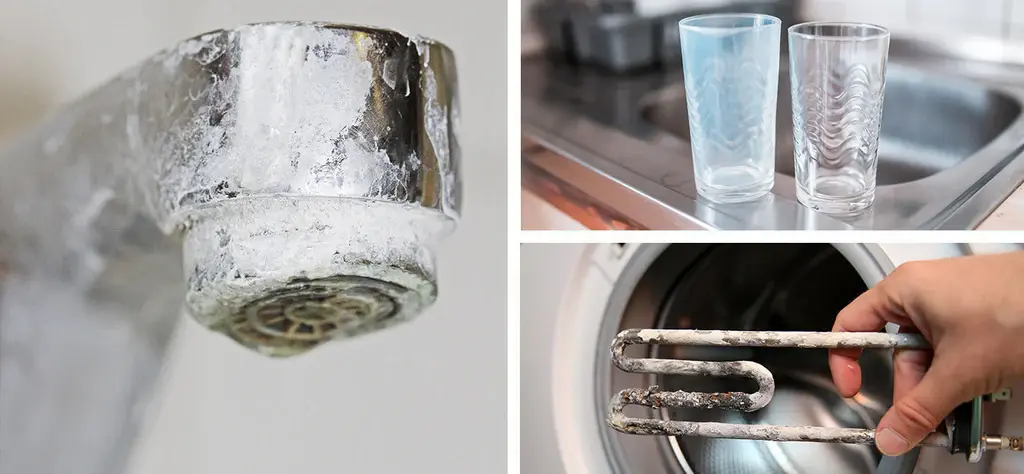
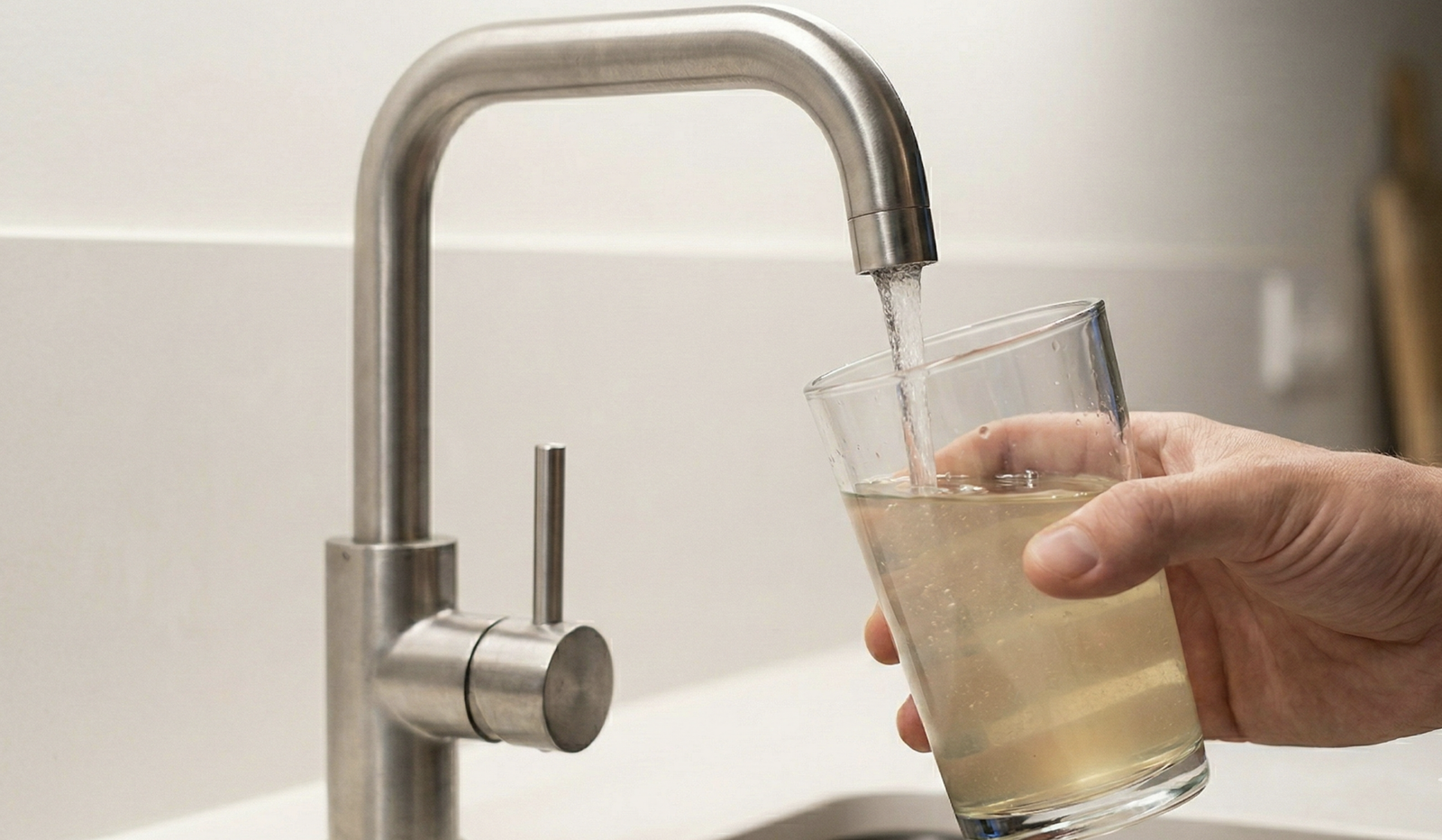
Water is one of those things we rarely think about until it starts behaving differently. A glass may taste a little strange. White spots might appear on the dishes. The showerhead slowly collects a crusty layer of scale, and suddenly you’re spending Saturday morning scrubbing something you never wanted to think about.
These small annoyances can be signs of different water-quality concerns, and the right response isn’t always obvious. One home may need help with hard water, while another may be more concerned about chlorine taste, sediment, or drinking-water quality.
That’s why choosing a treatment system shouldn’t begin with the question, “Which product is the best?” A better question is, “What does my water actually need?”
Start With the Water, Not the Sales Brochure
There are plenty of water treatment solutions available today, from basic faucet filters to complete whole-home systems. Having choices is useful, but it can also make the process confusing.
The first step should be understanding your water.
A professional test can provide information about hardness, pH, chlorine, iron, sediment, and other relevant characteristics. Private well owners may need additional testing because groundwater conditions can vary considerably.
Testing doesn’t have to lead to a complicated system. In fact, it may show that your concern is relatively simple to address.
That’s the point. You want treatment based on evidence rather than a long list of features that may not matter to your household.
Why Filtration Matters
Filtration is one of the most common ways to improve water quality, but the word itself covers a wide range of technologies.
A sediment filter can capture suspended particles. Activated carbon can reduce chlorine taste and odor. Specialized media can target particular contaminants or minerals. Reverse osmosis uses a membrane-based process to reduce many dissolved substances from drinking water.
So when someone says they need “a filter,” it’s worth asking what they actually want the filter to accomplish.
Good filtration starts with knowing what you’re trying to remove or reduce. Otherwise, you may end up with a perfectly good filter that’s simply not designed for your particular water problem.
It’s a bit like buying a vacuum cleaner because it looks powerful, then discovering it isn’t designed for the type of flooring in your house.
Drinking Water Deserves Its Own Consideration
Whole-home water treatment and drinking-water treatment aren’t necessarily the same thing.
Some homeowners are primarily concerned about what they drink and cook with. In that situation, a point-of-use system may be enough. Under-sink filters and reverse osmosis units are common examples.
Modern drinking water systems can provide targeted filtration without requiring every drop of household water to pass through the same treatment equipment.
That can be especially practical for smaller households or people who want to improve taste and reduce specific substances in drinking water without installing a large system.
On the other hand, if hard water is damaging fixtures and appliances throughout the home, a drinking-water filter won’t solve that issue. You may need a whole-home softener or another treatment method as well.
Hard Water Is a Different Kind of Problem
Hard water isn’t necessarily dangerous, but it can be frustrating.
Calcium and magnesium are responsible for most household water hardness. As water evaporates or is heated, these minerals can form scale around faucets, shower doors, water heaters, and appliances.
You may notice that soap doesn’t lather as easily or that dishes come out of the dishwasher with spots.
A water softener can help when hardness is the main issue. Traditional softeners use ion exchange to reduce calcium and magnesium throughout the household supply.
But again, a softener isn’t a universal filter. It solves a specific problem.
Whole-Home Treatment Has a Different Purpose
If water-quality concerns occur throughout the property, treating just one faucet may not be enough.
Whole-home treatment is installed on the incoming water line, allowing treated water to reach multiple fixtures. Depending on the equipment, it may address hardness, chlorine, sediment, or other concerns.
This can be convenient because you don’t have to maintain separate treatment devices at multiple taps.
Still, system sizing is important. A treatment system needs to handle the property’s water demand, including periods when several fixtures are operating at once.
A professional evaluation can help determine the appropriate capacity.
What About Water Taste and Odor?
Taste and odor are often the first things people notice.
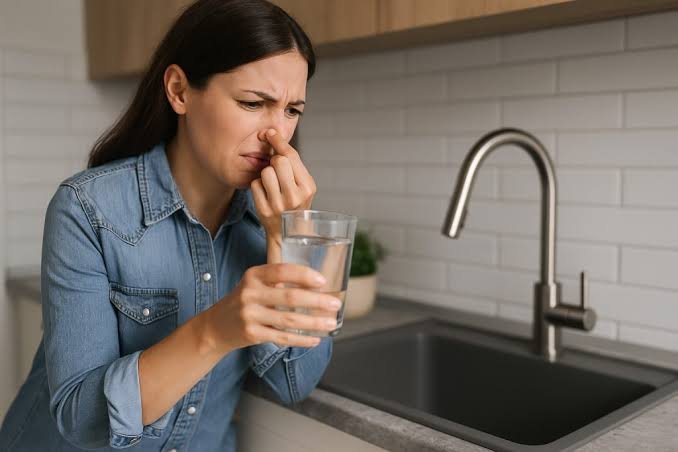
Chlorine can give municipal water a distinctive taste or smell. Sulfur compounds can create a rotten-egg odor, particularly in some private well systems. Organic material or plumbing conditions can also contribute to unpleasant characteristics.
The solution depends on the cause.
Carbon filtration is commonly used for chlorine taste and odor, while other treatment methods may be appropriate for sulfur-related or mineral-related problems.
If the smell appears suddenly or becomes significantly stronger, don’t simply cover it up with a filter. Have the water evaluated so you know what’s actually happening.
Maintenance Is Part of the Equation
A treatment system needs attention after installation.
Filters have replacement schedules. Reverse osmosis membranes eventually need changing. Water softeners need salt, and certain equipment requires periodic servicing.
Before purchasing anything, ask about these ongoing responsibilities.
How often will filters need replacing? What do replacement cartridges cost? Is professional maintenance recommended? What happens if a component fails?
These questions matter because the real cost of a system extends beyond the initial installation.
A slightly more expensive system may prove more economical if it’s efficient, reliable, and inexpensive to maintain.
Don’t Overcomplicate Your Water Treatment
It’s easy to assume that more filtration stages mean better water. That’s not necessarily true.
Every treatment component should have a purpose.
If your water test shows high hardness, address hardness. If chlorine is the main concern, choose appropriate carbon filtration. If drinking-water quality is your priority, consider a point-of-use system designed for that purpose.
You don’t need equipment simply because it exists.
A straightforward system that solves the right problem is usually more useful than an impressive-looking setup that treats things your household doesn’t actually need treated.
A Better Approach Starts With Good Information
Choosing water treatment equipment doesn’t need to feel like a technical maze.
Test the water. Identify the problem. Decide whether you need treatment throughout the property or only at certain points. Compare installation, maintenance, warranties, and long-term operating costs.
Most importantly, don’t let a sales pitch make the decision for you.
The best system is the one that fits your water, your home, your usage, and your budget. When those pieces line up, the result is pleasantly simple: better-tasting water, fewer everyday annoyances, and a treatment system that quietly does its job.
And honestly, that’s what good water treatment should feel like — not another complicated appliance to worry about, but one less household problem on your mind.