A roof is one of those things you don’t appreciate nearly enough until it starts giving you trouble. Perhaps a few shingles have appeared in the yard after a windy afternoon, or you’ve discovered a suspicious water stain on the bedroom ceiling. Suddenly, roofing becomes a much bigger part of your daily conversations.
For homeowners in Minnesota, choosing a replacement roof involves more than settling on an attractive color. Heavy snowfall, hailstorms, freezing temperatures, and summer heat all deserve consideration.
Asphalt and metal remain two popular residential roofing choices, but each comes with its own advantages and practical limitations. Understanding those differences can help you make a decision that feels right for your property, lifestyle, and budget.
Recognizing When Your Old Roof Needs Replacing
Roof deterioration rarely happens all at once. More often, it begins with subtle changes that homeowners might dismiss as ordinary wear and tear.
Curling edges, cracked surfaces, missing granules, and recurring leaks can all be associated with aging shingles that are gradually losing their protective qualities.
You might also notice dark patches or uneven areas when looking at your roof from the driveway. While discoloration alone doesn’t necessarily indicate serious damage, it’s worth investigating alongside other warning signs.
A professional inspection can determine whether targeted repairs remain practical or whether complete replacement makes more financial sense.
If you’re constantly arranging repairs after every significant storm, replacing the roof may eventually prove more economical than continuing to patch deteriorating sections.
What Should You Look for in a New Roof?
Shopping for a replacement roof can be surprisingly overwhelming. There are countless colors, textures, styles, and product specifications to consider.
When comparing roofing materials, homeowners should look beyond appearance and think about weather resistance, maintenance requirements, installation costs, and expected service life.
Minnesota’s climate makes resistance to moisture, wind, and seasonal temperature changes particularly important.
The architectural style of your property matters, too. A traditional family home might look wonderful with textured asphalt shingles, whereas a contemporary design could benefit from the clean appearance of standing seam metal panels.
Try to balance personal preferences with practical considerations. A roof should look attractive, certainly, but its primary responsibility is protecting everything underneath it.
Asphalt Roofing: A Familiar and Practical Choice
There’s a reason asphalt shingles are so widely used across residential neighborhoods. They offer a combination of affordability, design flexibility, and relatively straightforward installation.
Architectural asphalt shingles can create a layered, dimensional appearance that complements various home styles. They’re also available in numerous colors, making coordination with siding and exterior trim fairly easy.
Another advantage is that localized damage can sometimes be repaired without replacing large sections of the roof.
However, asphalt shingles gradually deteriorate through exposure to sunlight, moisture, wind, and changing temperatures. Severe hailstorms may also damage their protective surfaces.
For homeowners working within a moderate renovation budget, asphalt can be a sensible choice, provided the product and installation quality meet the property’s requirements.
Metal Roofing: Thinking Beyond the Initial Investment
Metal roofing often appeals to homeowners who are thinking several decades ahead rather than focusing exclusively on immediate expenses.
Although installation typically costs more than conventional asphalt roofing, metal can offer excellent longevity when appropriately selected, installed, and maintained.
Its relatively smooth surface can encourage snow to slide off, which may be beneficial during Minnesota winters. However, snow retention systems may be necessary above entrances and other vulnerable areas.
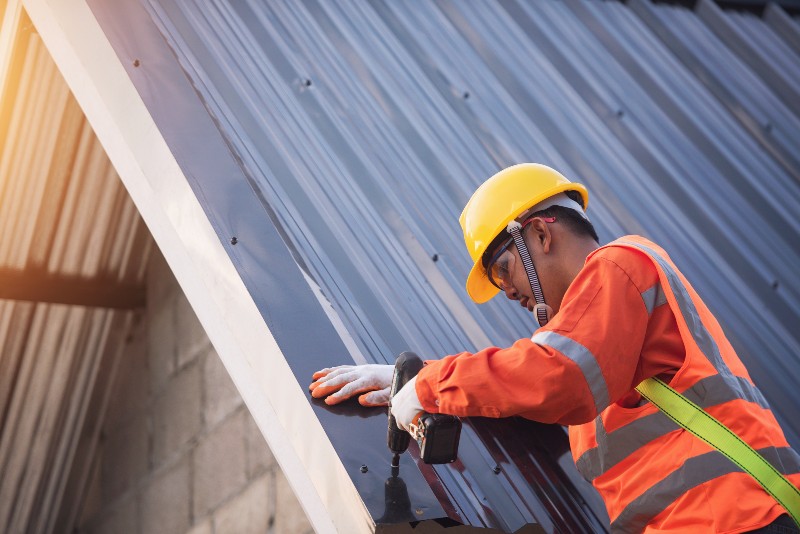
Metal roofing also comes in several styles, from contemporary standing seam panels to products designed to resemble traditional shingles.
It isn’t completely immune to damage, though. Certain metal products can experience denting from hail, and improper installation may lead to moisture-related problems.
Understanding these limitations makes it easier to evaluate whether the higher upfront investment is worthwhile.
Comparing Asphalt and Metal for Your Property
The decision becomes easier when you consider how long you intend to remain in your home.
Homeowners exploring asphalt and metal roof replacement should compare installation expenses, maintenance expectations, warranty terms, and the potential long-term value of each option.
If you’re planning to sell your property within several years, asphalt roofing may provide the balance of appearance and affordability you’re looking for.
On the other hand, if you intend to remain in your home for decades, the potential longevity of metal roofing might justify its additional cost.
Request detailed estimates for both options if you’re uncertain. Seeing the actual numbers often makes the decision clearer than reading general product comparisons.
Installation Quality Makes an Enormous Difference
Even the most expensive roofing product can disappoint when installation details are overlooked.
Proper underlayment, flashing, ventilation, and moisture protection all contribute to a dependable roofing system.
During replacement, contractors should assess the underlying roof decking for deterioration or moisture damage. Addressing these concerns before installing new materials helps prevent existing problems from being concealed beneath a fresh surface.
Ask prospective contractors about their experience, insurance, workmanship warranties, and approach to unexpected repairs.
Good communication is worth paying attention to as well. You should understand what’s happening to your property without having to chase someone down for answers.
Choosing a Roof You’ll Be Happy With for Years
Replacing your roof is a significant investment, and there’s no need to rush into a decision simply because one material seems more popular than another.
Consider your budget, local weather conditions, maintenance preferences, and long-term plans. Arrange a professional assessment and take time to understand the available recommendations.
Ultimately, the best roof isn’t necessarily the most expensive or visually impressive one. It’s the roof that provides dependable protection, suits your home’s character, and allows you to relax when the next storm arrives.
And for anyone who has spent a sleepless night worrying about a leaking ceiling, that peace of mind is worth quite a lot.