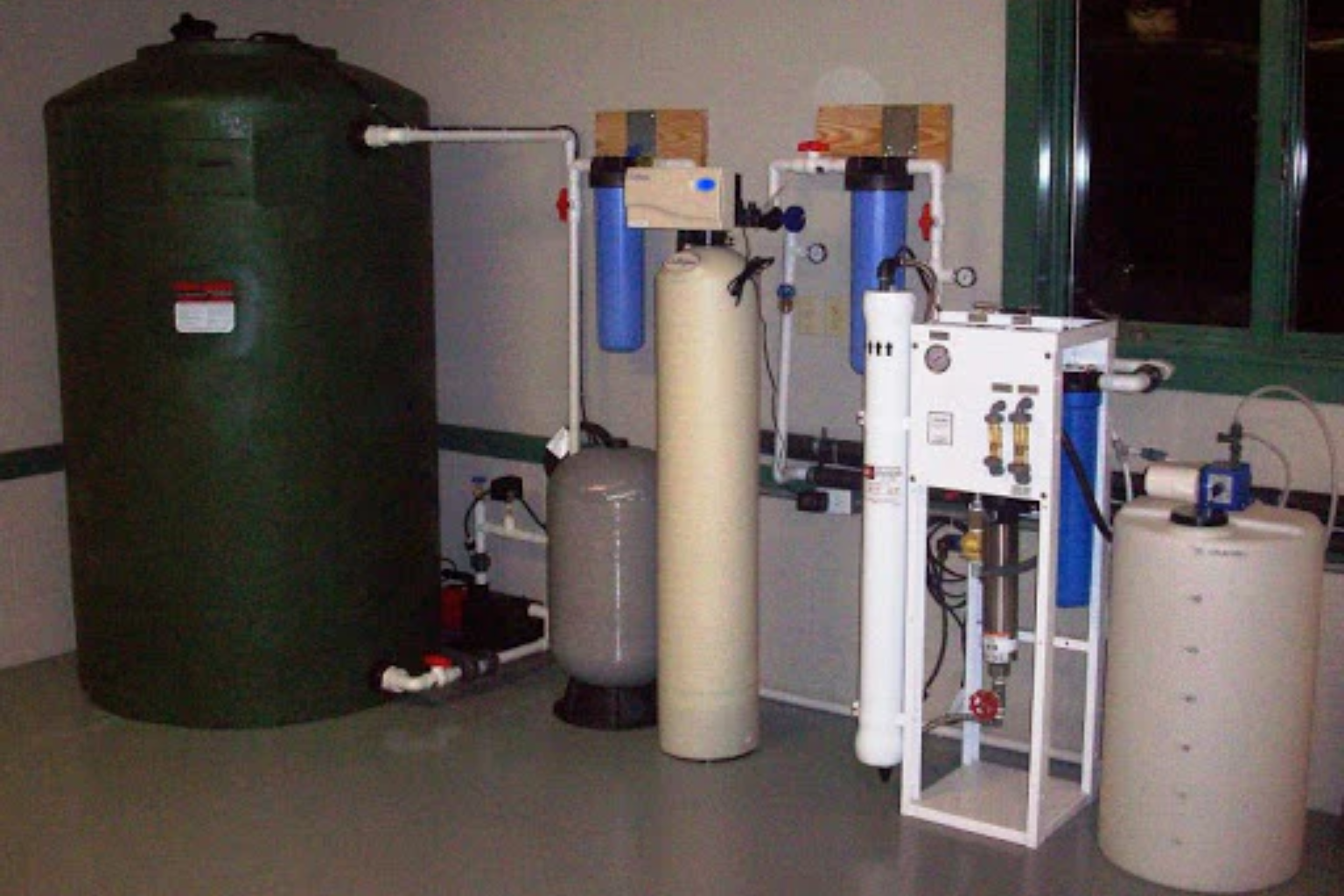
Water is one of those resources we assume will always be there — flowing from taps, running through factories, watering landscapes. But in recent years, something has shifted. Utility bills are climbing. Drought headlines are more common. And businesses and homeowners alike are starting to look at their water usage a little more seriously.
It’s not just about conservation anymore. It’s about strategy.
Using water wisely doesn’t mean sacrificing performance or comfort. In fact, when done right, it often improves both. The real conversation now revolves around how to build systems that balance efficiency, cost, and reliability — without overcomplicating the process.
The Shift Toward Practical Efficiency
Efficiency used to sound like a buzzword — something tossed around in sustainability reports but rarely felt in daily operations. Now it’s tangible.
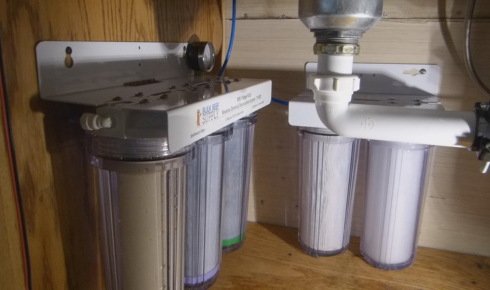
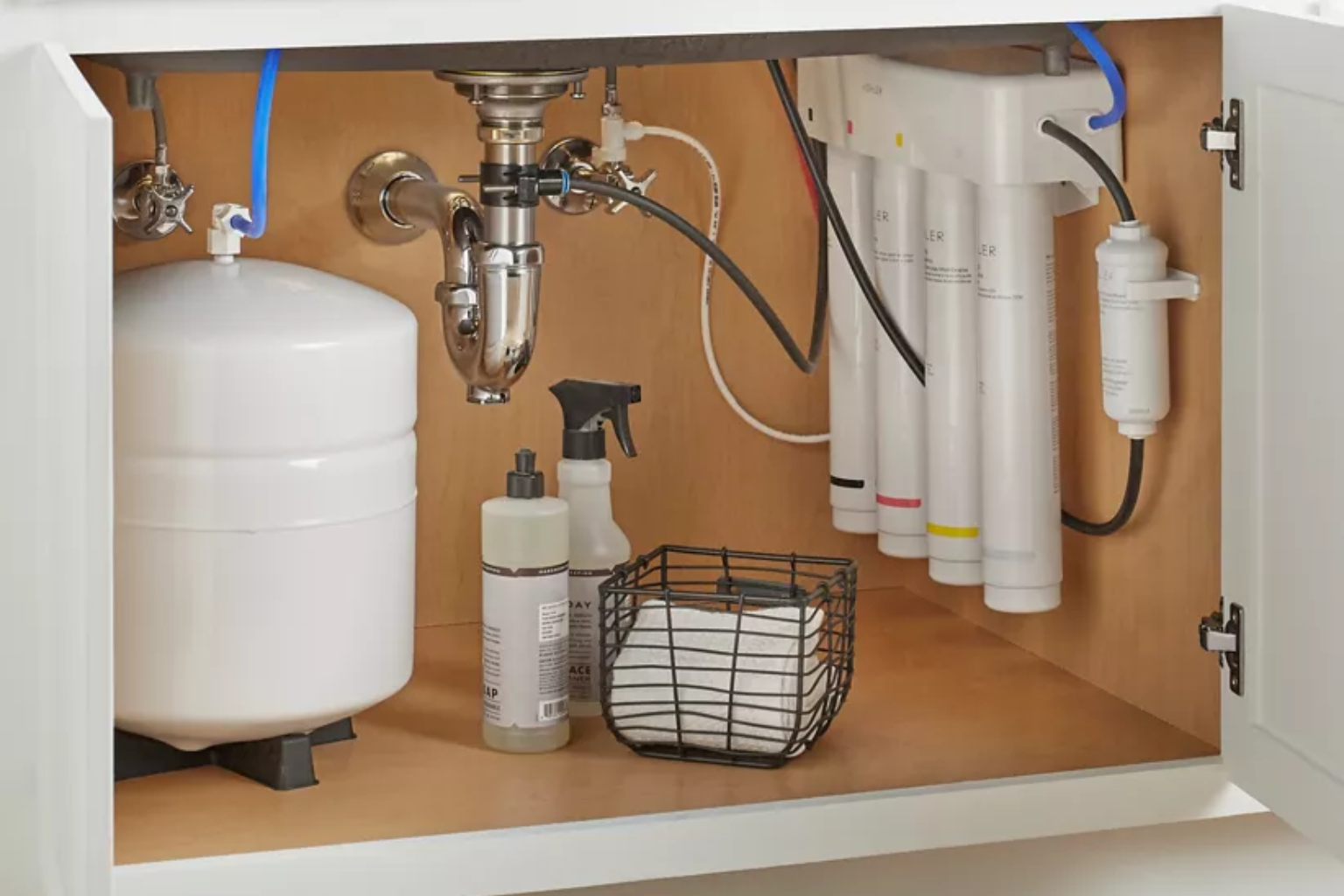
Modern water efficiency solutions focus on reducing waste while maintaining output. In commercial buildings, that might mean upgrading cooling tower management to minimize evaporation loss. In residential settings, it could involve optimizing plumbing layouts or installing advanced filtration systems that reduce unnecessary flushing cycles.
The idea isn’t to cut corners. It’s to remove waste.
For example, outdated systems often regenerate water softeners on fixed timers, even when regeneration isn’t needed. Smarter, metered systems adjust based on actual usage, reducing water and salt waste in the process. Small changes, measurable impact.
And once you see the savings on your monthly bill, it stops feeling theoretical.
Efficiency Without Breaking the Bank
One common misconception is that sustainable or efficient systems are automatically expensive. There’s an assumption that “green” equals premium pricing.
But many upgrades fall squarely into the category of cost effective systems — solutions that pay for themselves over time. Think about low-flow fixtures that reduce water consumption without compromising pressure, or industrial filtration systems that extend equipment lifespan by preventing scale buildup.
When equipment runs more efficiently, energy usage drops. Maintenance needs decrease. Downtime becomes less frequent. Those savings compound year after year.
It’s not always about flashy technology. Sometimes it’s about refining what’s already there.
Designing for Real-World Conditions
Here’s where things get interesting. No two buildings use water the same way. A restaurant’s peak demand looks different from a manufacturing plant’s steady flow. A suburban home doesn’t share the same needs as a high-rise apartment complex.
That’s why thoughtful custom design plays such a critical role in water management. Instead of installing generic systems, engineers and specialists analyze usage patterns, regional water chemistry, and long-term goals.
In some cases, that means integrating rainwater harvesting. In others, it’s about optimizing pressure zones to reduce leaks. For commercial operations, it might involve tailoring reverse osmosis capacity to match production cycles.
Customization avoids overbuilding — and underperforming.
Beyond Bills: Environmental Responsibility
Efficiency isn’t just about saving money. It’s about reducing strain on local water supplies.
Many regions face growing water scarcity concerns. Municipal infrastructure ages. Climate patterns shift. Businesses that proactively manage their water usage position themselves as responsible stewards of their communities.
Customers notice that. Investors notice that.
Sustainable water practices can enhance brand reputation just as much as they improve operational performance.
The Hidden Impact on Infrastructure
Water inefficiency doesn’t only affect consumption. It influences infrastructure longevity.
Excessive pressure can damage pipes. Poor filtration can accelerate corrosion. Scale buildup inside heating systems increases energy demand.
Efficient systems mitigate those risks. They create balanced flow rates, protect internal components, and reduce the need for emergency repairs.
It’s easy to overlook these behind-the-scenes benefits. But anyone who’s dealt with a major plumbing failure understands how disruptive — and costly — it can be.
Technology’s Role in Modern Systems
Smart sensors and automated monitoring tools are transforming how water systems operate. Real-time data can detect leaks before they become visible. Flow meters can identify irregular patterns that signal inefficiencies.
In industrial environments, automation ensures that filtration and regeneration cycles align precisely with production needs. No more guesswork.
Technology doesn’t replace good design — it enhances it.
And while advanced monitoring may once have seemed reserved for massive facilities, it’s becoming increasingly accessible for mid-sized businesses and even residential properties.
Making the Transition
If you’re considering upgrading your water infrastructure, start with assessment. Conduct a water audit. Understand how much you’re using and where inefficiencies lie.
Sometimes the solutions are straightforward — replacing outdated fixtures or adjusting system settings. Other times, a more comprehensive redesign makes sense.
The key is approaching it thoughtfully rather than reactively.
A Long-Term Perspective
Water will always be essential. That won’t change. But how we use it can evolve.
Smarter systems protect budgets. They safeguard infrastructure. They contribute to sustainability goals. And perhaps most importantly, they operate quietly — doing their job without constant oversight.
When efficiency is built into the foundation of your water system, it stops being something you think about daily. It becomes part of the background — steady, reliable, dependable.
In the end, improving water efficiency isn’t about chasing trends. It’s about recognizing that small refinements today prevent bigger problems tomorrow.
Whether you’re managing a facility, running a business, or simply maintaining your home, thoughtful water system design pays dividends over time.
And in a world where resources matter more than ever, that kind of foresight isn’t just practical — it’s essential.