If you’ve ever filled up a glass of water from the tap and hesitated before sipping—maybe because of a strange smell or taste—you’re not alone. Most of us don’t think about what flows through our pipes until something feels off. That’s when we start looking for answers—and often land in the world of filters, softeners, reverse osmosis, and other solutions that promise cleaner, safer water.
But navigating that world can feel overwhelming, right? Between slick marketing terms and scientific jargon, it’s easy to get lost. So let’s step away from the technical manuals and get real. If you’re curious about how to make your home’s water better—not just cleaner but healthier—you’re in the right place. This article is your laid-back, straight-talking guide to household water improvement.
The Problem with “Clean Enough” Water
Here’s the thing—just because your water is clear doesn’t mean it’s clean. Municipal water supplies go through treatment, sure. But by the time that water reaches your tap, it’s had quite a journey—through aging pipes, possible contaminants, and maybe even questionable storage tanks. Throw in hard water minerals, chlorine, or trace metals, and suddenly, your “safe” water feels… well, not so safe.
Now, unless you’re brushing your teeth with bottled water or cooking pasta in mineral water (which sounds absurd and expensive), you need something a little more sustainable and smart. That’s where filtration steps in.
Let’s Talk Filters: Not Just for the Health Nuts
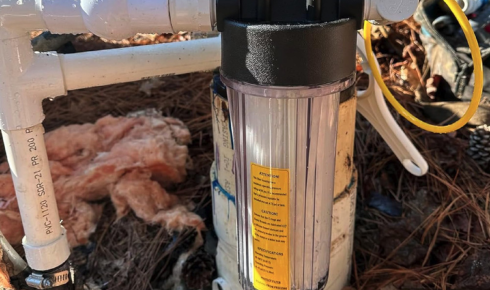
You might think water filters are only for those hyper-health-conscious folks who buy organic kale and track their macros. But honestly, if you cook at home, have kids, or simply want peace of mind, filtration is worth your attention. From countertop pitchers to whole-house systems, today’s effective filtration solutions don’t just remove sediments—they target lead, chlorine, pesticides, and in some cases, even bacteria and viruses.
What’s more, some of these systems are surprisingly low-maintenance. You don’t need to be an engineer to install a faucet filter or replace a cartridge. And let’s not forget how good it feels when your tea doesn’t taste like a swimming pool. Seriously—game changer.
The Subtle Perks You Don’t Think About
Sure, we all want water that’s safe to drink. But here’s something people don’t always realize: better water = better everything. Your skin feels less itchy. Your hair gets shinier. Your coffee actually tastes like coffee. Even your appliances, like washing machines and dishwashers, last longer because they’re not dealing with buildup from hard water or impurities.
Water quality quietly touches every part of your life. So when you invest in the right water purification systems, you’re not just protecting your health—you’re also improving your lifestyle in subtle, everyday ways that really add up.
Finding What Works for Your Home
No one-size-fits-all here. A small apartment with two people won’t need the same setup as a five-bedroom house with a big family. The trick is understanding your needs.
Is your water hard? A softener might help. Live near farmland? You may want to filter out nitrates. Old pipes in your building? Look for a system that removes lead. Maybe you’re on well water—that opens up a whole different set of concerns.
Before you jump into buying anything, get your water tested. It’s not as complicated as it sounds—there are kits online, or you can hire a local lab. Once you know what’s in your water, you’ll have a clearer idea of what to filter out—and you won’t overspend on features you don’t need.
Filter Types in a Nutshell (No Jargon, Promise)
Let’s demystify a few common types of water treatment systems:
- Activated Carbon Filters: Great for removing chlorine, odors, and some organic compounds. Think Brita or faucet-mounted filters.
- Reverse Osmosis (RO): Super thorough, gets rid of many dissolved solids and contaminants. Usually installed under the sink.
- UV Filters: Use ultraviolet light to kill bacteria and viruses. Best used in combo with other filters.
- Water Softeners: Remove calcium and magnesium to combat hard water. Good for your appliances and pipes.
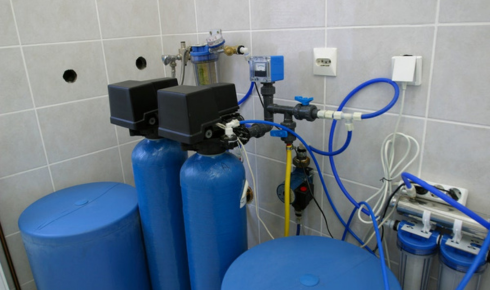
- Whole-House Systems: These treat all water entering your home, so your shower, laundry, and kitchen all benefit.
Don’t worry if this list feels a bit much—just remember you don’t have to get it perfect. Even a basic filter is better than none at all.
Busting a Few Myths
Let’s clear the air on some common misconceptions:
- “My tap water’s from the city, so it’s safe.” Technically yes, but safe doesn’t mean optimal. Municipal systems don’t always account for what happens between the treatment plant and your faucet.
- “Bottled water is better.” Not necessarily. Some bottled water is literally just filtered tap water in a plastic shell. Plus, it’s wasteful and expensive long-term.
- “I don’t need to filter shower water.” If you’ve got sensitive skin or hair that feels like straw, filtering your shower water might actually help more than you think.
Small Steps, Big Results
You don’t have to overhaul your whole plumbing system overnight. Start with something simple—like a pitcher or faucet filter. See how it goes. Notice the difference. Then maybe consider upgrading to something more robust if needed.
The goal here isn’t perfection—it’s improvement. And the beauty of water filtration is that even small changes can ripple out into big benefits for your health, comfort, and peace of mind.
Final Thoughts: It’s Not Just Water. It’s Wellness.
Water is the one thing we consume more than anything else—every single day. So why treat it like an afterthought?
Taking control of your home’s water quality isn’t just a smart move—it’s an empowering one. It says, “I care about what goes into my body, my family, and my future.”
And whether you go big with a full-house system or just start with a basic filter, remember: progress, not perfection. Every step you take towards cleaner water is a win. Because at the end of the day, you deserve better than “just okay” water.