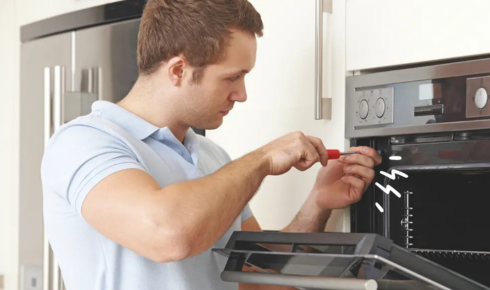
There’s something satisfying about fixing things with your own hands. It feels empowering, almost reassuring, to solve a problem without calling for help. You watch a quick video tutorial, grab a screwdriver, and think, “How hard can it really be?”
And sometimes, honestly, it isn’t that hard.
But when it comes to appliances, that confidence can quickly shift into frustration—or worse, unexpected trouble.
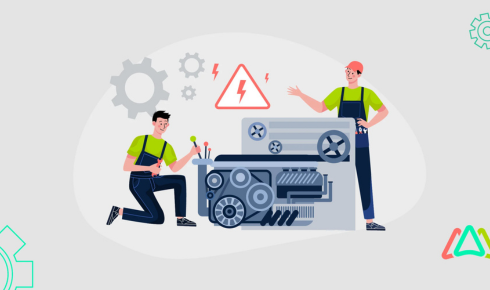
Because unlike simple household items, appliances are complex systems hiding electrical circuits, pressurized components, and mechanical parts that don’t always behave predictably.
Why DIY Repairs Feel So Tempting
It’s easy to understand why homeowners try to fix appliances themselves. Professional repair services can feel expensive, and online tutorials make even complicated repairs look surprisingly simple.
You might watch someone replace a washing machine belt in five minutes or fix a dryer heating element with minimal effort.
What those videos rarely show, though, is the context—years of technical experience, specialized tools, and safety knowledge behind those quick repairs.
Without that background, small mistakes can lead to bigger problems.
The Most Common DIY Repair Pitfalls
One of the biggest issues homeowners face is underestimating how complicated appliances actually are.
Modern machines rely on electronic sensors, intricate wiring systems, and carefully calibrated components. Changing one part without understanding the full system can create unintended consequences.
Many diy appliance repair mistakes occur because people attempt to fix symptoms rather than addressing underlying causes.
For example, replacing a refrigerator fan might temporarily solve cooling issues—but if the real problem is a faulty thermostat or blocked airflow, the issue will quickly return.
These kinds of incomplete fixes often lead to repeated breakdowns.
Safety Should Never Be an Afterthought
Perhaps the most serious concern with DIY appliance repairs is personal safety.
Appliances often involve electrical connections, gas lines, or high-pressure components. Handling these without proper training can create significant safety risks.
Electrical shocks, gas leaks, and fire hazards are real possibilities when repairs aren’t performed correctly.
Even something as simple as failing to disconnect power properly can lead to dangerous accidents.
Professional technicians follow strict safety procedures to prevent these risks—procedures that many homeowners may not fully understand.
The Problem of Misdiagnosing Issues
Another major challenge with DIY repairs is identifying the actual source of the problem.
Appliances rarely fail in obvious ways. What appears to be a single malfunction may involve multiple underlying issues.
This is where improper diagnosis becomes a common obstacle.
For instance, a dishwasher that won’t drain might seem to have a pump problem, but the real issue could be a clogged filter, faulty sensor, or wiring defect.
Replacing the wrong component wastes time and money while leaving the original problem unresolved.
Accurate diagnosis requires specialized tools and technical knowledge that professionals bring to every repair.
The Hidden Costs of DIY Fixes
At first glance, DIY repairs seem cost-effective. Avoiding service fees and purchasing inexpensive parts feels like a smart financial decision.
However, mistakes often lead to additional expenses.
Damaging internal components during a repair can increase repair costs significantly. Incorrect installations may cause further wear, leading to repeated breakdowns.
In some cases, DIY repairs can void manufacturer warranties, eliminating potential coverage for future issues.
What initially appears to save money can ultimately cost more.
When DIY Repairs Do Make Sense
Not all appliance maintenance requires professional assistance.
Simple tasks—like cleaning filters, replacing removable components, or performing basic inspections—can often be handled safely by homeowners.
Understanding the difference between routine maintenance and complex repairs is key.
When issues involve electrical systems, gas connections, or internal mechanical components, seeking professional help is usually the safer choice.
The Value of Professional Expertise
Professional technicians bring more than tools—they bring experience.
They can diagnose problems accurately, identify hidden issues, and perform repairs safely.
Their training allows them to understand how different components interact, ensuring repairs address root causes rather than temporary symptoms.
This expertise often results in faster, more reliable solutions.
Protecting Appliance Lifespan
Proper repairs play a crucial role in maintaining appliance longevity.
Incorrect fixes can place additional strain on components, reducing efficiency and shortening lifespan.
Professional repairs ensure systems operate as intended, preserving performance and reliability.
Maintaining appliances through expert care helps homeowners avoid premature replacements.
A Balanced Approach to Home Repairs
There’s nothing wrong with wanting to handle household problems independently. DIY efforts can be rewarding and practical when approached thoughtfully.
But appliances require careful consideration.
Recognizing when a problem exceeds basic maintenance ensures both safety and long-term performance.
Sometimes, the smartest decision isn’t fixing something yourself—it’s knowing when to seek expert help.
A Quiet Investment in Peace of Mind
Reliable appliances support daily routines quietly, making life easier without demanding attention.
Protecting that reliability requires informed decisions about maintenance and repairs.