There’s something deeply satisfying about having your own well. It feels independent. Self-reliant. No city water bills, no wondering what’s happening at a treatment plant miles away. It’s just your home and your water.
But if you’ve lived with well water long enough, you know it has a personality.
Sometimes it’s perfect. Cold, crisp, refreshing. Other times? Not so much. Maybe the sink develops orange stains that seem impossible to scrub away. Maybe your shower smells faintly like rotten eggs on humid mornings. Maybe the laundry comes out looking a little off-color.
Owning a well isn’t a problem. It just means you’re in charge of what comes out of the tap.
Understanding What’s Really in Your Water
Unlike municipal water, which is treated centrally before reaching homes, well water flows directly from underground sources. That means it carries whatever minerals and elements are naturally present in your local geology.
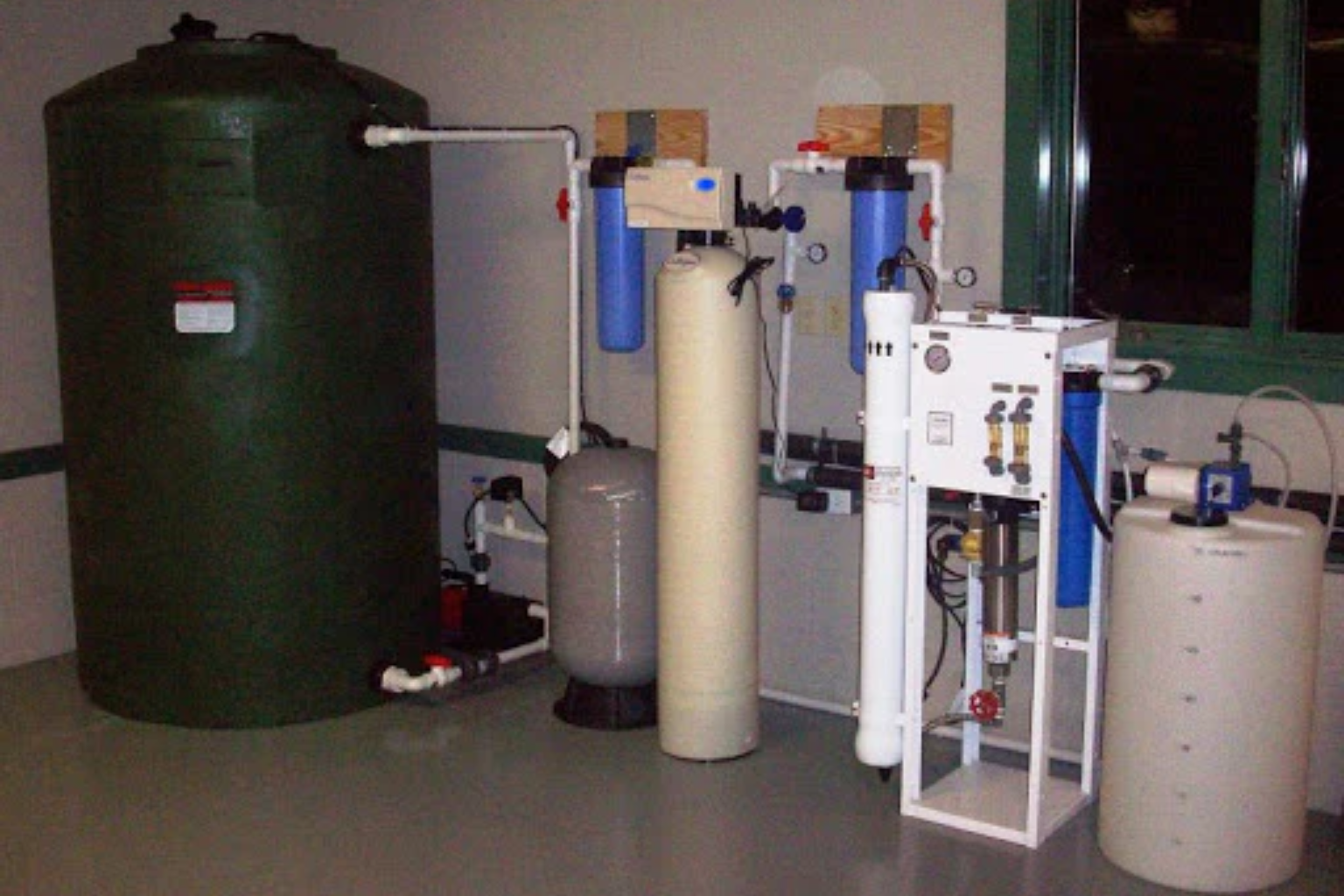
For many households, the first step toward solving issues is understanding that well water treatment isn’t optional — it’s part of responsible homeownership.
Testing your water once a year (or whenever something changes) is crucial. You’re looking for hardness levels, bacteria, pH balance, and especially iron and sulfur content.
Without testing, you’re guessing. And guessing often leads to expensive trial-and-error fixes.
The Orange Ring Nobody Wants
Iron is one of the most common issues in well systems. Even small amounts can leave a noticeable mark.
You’ll see it around drains, inside toilet bowls, on bathtub surfaces. Rust-colored streaks that seem to reappear no matter how often you clean. It’s frustrating.
That’s where proper iron removal systems make a real difference.
Iron in water can exist in different forms — dissolved (clear water iron) or oxidized (red water iron). Treatment options vary depending on which type you’re dealing with. Some systems use oxidation followed by filtration. Others rely on specialized media filters designed specifically for iron.
The result, when done right, is dramatic in a subtle way. Surfaces stay cleaner. Laundry looks brighter. You stop feeling like you’re in a constant battle with your fixtures.
When Your Water Smells Like Rotten Eggs
Few things are more off-putting than turning on the tap and catching a whiff of something unpleasant.
That familiar “rotten egg” smell is usually caused by hydrogen sulfide gas. Even in small concentrations, it creates a noticeable sulfur odor that affects showers, laundry, and drinking water.
The smell might be stronger when the water is warm. Sometimes it lingers only in certain faucets. It can even fluctuate seasonally.
Treatment typically involves aeration systems, oxidizing filters, or activated carbon designed to neutralize the gas before it reaches your taps.
Once addressed, the change feels immediate. Showers become refreshing again. Cooking with tap water no longer feels questionable.
And honestly, that peace of mind matters.
Hard Water and Its Quiet Effects
Many well systems also produce hard water. Calcium and magnesium build up over time, leaving scale on fixtures and inside appliances.
Hard water doesn’t smell or look alarming. But it affects soap lathering, skin comfort, and appliance performance.
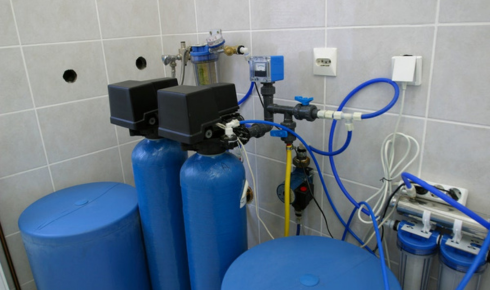
Pairing iron or sulfur treatment with a water softener is often part of a comprehensive approach. Each system handles a different issue.
The key is layering solutions based on actual test results rather than installing one device and hoping it solves everything.
Maintenance Is Part of the Deal
Owning a well means ongoing responsibility.
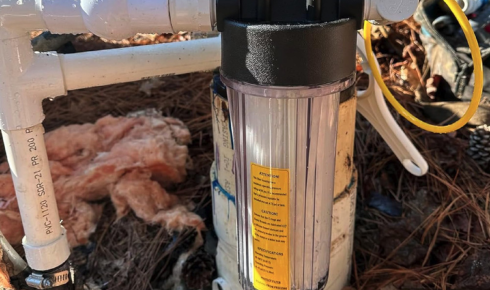
Filters need replacing. Tanks require inspection. Testing should be routine, not reactive.
But once you establish a schedule, it becomes manageable.
Think of it like maintaining a vehicle. You don’t wait for the engine to fail before changing the oil. You stay ahead of problems.
The same mindset applies to your water.
The Payoff of Proper Treatment
When well water is properly treated, the benefits are subtle but powerful.
Stains disappear. Odors fade. Laundry feels fresher. Appliances operate more efficiently.
Most importantly, you regain trust in your tap.
There’s something grounding about turning on the faucet and knowing the water flowing out is clean, balanced, and suited to your household’s needs.
That confidence changes your relationship with your home.
When to Call a Professional
Some issues are simple enough to manage independently. But persistent iron staining, fluctuating odors, or unusual taste changes often require professional insight.
Water specialists can interpret test results and recommend systems tailored to your specific conditions.
It’s not about overcomplicating things. It’s about making informed decisions.
Final Thoughts
Well water comes with character. It reflects the land beneath your home. Sometimes that character includes minerals and gases you’d rather not deal with.
But with the right approach — testing, targeted treatment, and consistent maintenance — you can transform that raw resource into reliable, high-quality water.