There’s a quiet trust most of us have in the water flowing through our homes. It’s one of those things we rarely question. You turn on the tap, fill a glass, cook dinner, run the dishwasher — and life moves along without a second thought. Water feels like a constant, dependable presence.
But sometimes, that sense of certainty gets shaken. Maybe the water suddenly looks slightly tinted. Or you notice an unusual smell while filling a bucket. In some cases, you might hear bubbling sounds from a faucet that never made noise before.
These changes often trigger a moment of hesitation — a subtle realization that water, despite appearing simple, can carry complexities beneath its surface.
Understanding what these signals mean can help homeowners respond calmly and effectively rather than jumping to unnecessary worry.
Why Water Quality Can Change
Water doesn’t exist in isolation. It travels through soil layers, pipelines, storage systems, and treatment facilities before reaching your home. Along the way, it can pick up minerals, gases, or naturally occurring substances depending on local environmental conditions.
In most cases, municipal treatment processes ensure water is safe for consumption. However, certain elements may still affect its taste, smell, or appearance.
For homeowners relying on private wells, these variations can be even more noticeable, as groundwater quality depends heavily on geological factors.
Learning to recognize common water quality issues helps distinguish between harmless changes and those that may require professional testing.
Understanding Naturally Occurring Elements
One concern that occasionally arises in groundwater systems involves arsenic contaminants. Arsenic is a naturally occurring element found in certain geological formations. In some regions, it can dissolve into groundwater over time.
While arsenic presence is typically monitored in municipal water supplies, private well owners may need periodic testing to ensure levels remain within safe limits.
The important thing to remember is that arsenic contamination often cannot be detected through taste, smell, or appearance alone. Routine testing is the most reliable way to assess its presence.
Modern water treatment technologies, including advanced filtration systems, can effectively remove arsenic when necessary.
When Water Behaves Unusually
Another situation that can puzzle homeowners involves unexpected bubbling or sputtering when turning on a faucet. In some cases, this may relate to methane concerns, particularly in areas where natural gas deposits exist underground.
Methane gas can sometimes dissolve into groundwater, especially in certain geological regions. While methane itself isn’t toxic when dissolved in water, it can create safety concerns if it accumulates in enclosed spaces.
Signs may include popping sounds from faucets or air bubbles in water streams.
If methane presence is suspected, professional water testing and ventilation solutions can help address the issue effectively.
Visual Changes That Spark Curiosity
Water appearance can also change unexpectedly, sometimes showing slight yellow, brown, or reddish tints.
This phenomenon, often referred to as water discoloration, is typically caused by dissolved minerals like iron or manganese, or by sediment disturbances in municipal pipelines.
For example, maintenance work on water mains can temporarily stir up sediment, leading to short-term discoloration.
In most cases, this type of change is harmless and resolves quickly once sediments settle. However, persistent discoloration may indicate the need for filtration or plumbing inspection.
Understanding the difference between temporary and ongoing changes helps homeowners respond appropriately without unnecessary alarm.
Why Testing Matters More Than Guessing
One of the most important steps in addressing water quality concerns is proper testing. Visual cues and odors can provide clues, but they rarely offer complete information.
Professional water testing provides accurate data on mineral content, potential contaminants, and overall water composition.
For households using private wells, annual testing is often recommended to ensure ongoing safety and quality.
Municipal water users can also request water quality reports or conduct independent testing if concerns arise.
Having clear data eliminates uncertainty and helps determine whether treatment solutions are necessary.
Modern Solutions for Water Quality Challenges
Advances in water treatment technology have made addressing quality concerns more accessible than ever.
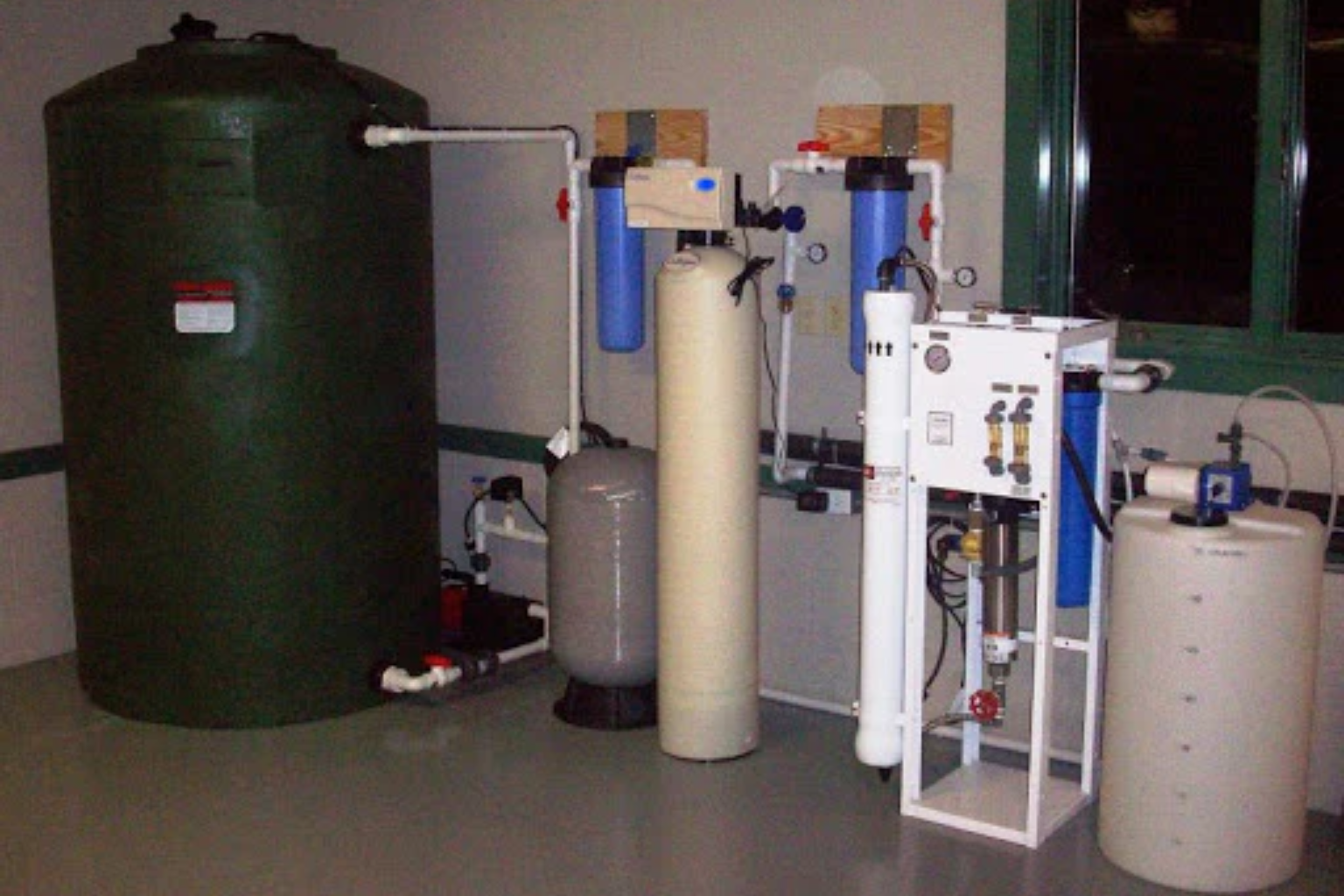
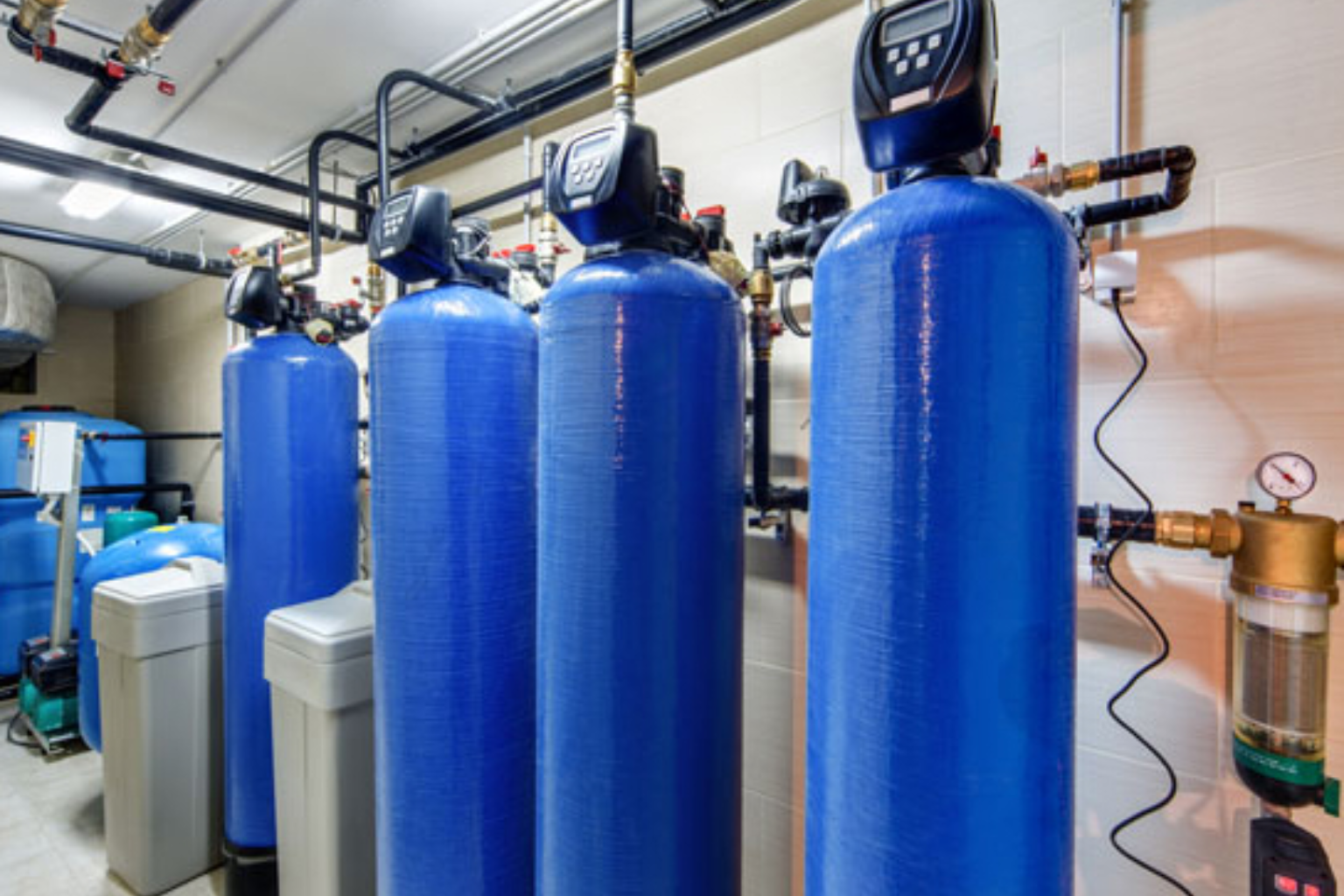
Filtration systems can remove sediments, minerals, and organic compounds that affect taste and appearance. Specialized treatment units can target specific contaminants, including arsenic and dissolved gases.
These solutions are designed not only to ensure safety but also to improve everyday usability.
Clean, well-treated water enhances cooking, cleaning, and overall household comfort.
The Emotional Side of Water Confidence
Beyond practical considerations, water quality plays an emotional role in daily life. There’s reassurance in knowing the water flowing through your home is consistently safe and reliable.
It removes hesitation when filling a glass or cooking meals. It allows daily routines to feel smooth and predictable.
This sense of trust may be subtle, but it contributes significantly to overall peace of mind.
Recognizing Signals Without Panic
Water quality changes can feel unsettling, but they rarely indicate immediate danger. Most variations stem from natural environmental factors or temporary system adjustments.
By understanding common causes and seeking appropriate testing when needed, homeowners can address concerns calmly and effectively.
Because ultimately, water is not just a utility — it’s a fundamental part of daily living. And when it flows clearly, safely, and reliably, it supports a quiet confidence that makes everyday life feel just a little easier.