There’s a particular kind of silence that fills a house when the air conditioner suddenly stops. It’s not peaceful. It’s heavy. You notice the hum is gone, the vents feel still, and within minutes the temperature begins to creep up like an uninvited guest who refuses to leave. If you’ve ever experienced that mid-summer breakdown, you know it’s not just inconvenient — it’s personal.
Air conditioning isn’t a luxury anymore. In many places, it’s as essential as running water. And yet, most of us don’t think about our cooling systems until something goes wrong. We flip the thermostat, expect cold air, and move on with our day. Until we can’t.
Let’s talk about what really happens when your system falters — and what you can do about it.
The Moment You Realize It’s Not “Just the Weather”
At first, you might blame the heatwave. “It’s just working harder,” you tell yourself. But then the airflow feels weak. Or worse, it’s blowing warm air. Sometimes there’s a strange smell — faintly metallic or dusty. Other times, you hear a clank, a buzz, or a grinding noise that wasn’t there before.
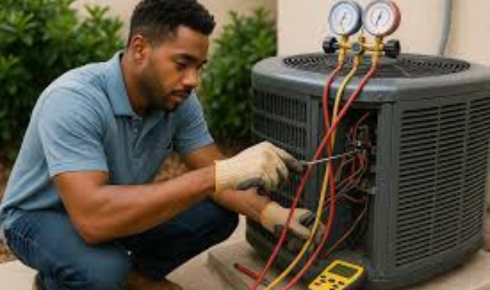
This is usually the point where homeowners start Googling solutions and, inevitably, searching for emergency ac repair because time suddenly matters. When temperatures climb into the 90s (or higher), a broken unit isn’t something you can put off until next week.
Emergency repairs often involve compressor failures, electrical issues, refrigerant leaks, or completely frozen coils. These aren’t small problems, and they don’t magically fix themselves. The key is acting quickly. The longer a malfunctioning system runs, the more strain it puts on already damaged components.
Why AC Units Fail at the Worst Possible Time
There’s a cruel irony in how air conditioners tend to break down during peak heat. But it’s not bad luck — it’s physics. The hotter it gets outside, the harder your unit works. Increased demand means increased stress on motors, capacitors, and compressors.
Add to that a lack of maintenance, clogged filters, or dirty coils, and you’ve got the perfect recipe for breakdown. It’s a bit like driving your car for years without an oil change. You might get away with it for a while. But eventually, something gives.
Humidity also plays a role. High moisture levels force your system to remove more water from the air, which adds strain. Over time, wear and tear accumulates quietly in the background.
The Value of Prevention (Even If It’s Not Exciting)
Let’s be honest — no one wakes up excited about booking HVAC maintenance. It’s not glamorous. It doesn’t feel urgent. But this is where scheduled service quietly earns its value.
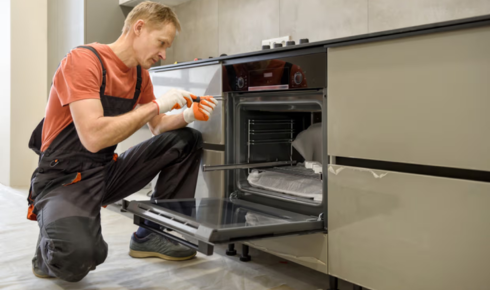
Routine inspections catch small issues before they become wallet-draining disasters. A technician can clean coils, check refrigerant levels, tighten electrical connections, and test airflow. These tasks might sound minor, but together they significantly extend the life of your unit.
Preventative care also improves efficiency. A well-maintained system uses less energy, cools more evenly, and reduces monthly utility bills. In the long run, that consistency matters more than most people realize.
Think of it like dental checkups. Skip them, and you might avoid a cleaning fee today — but risk a root canal later.
Common Problems Homeowners Overlook
Sometimes the issue isn’t catastrophic. It’s subtle. Uneven cooling in different rooms. A thermostat that doesn’t quite match the actual temperature. A system that cycles on and off too frequently.
These symptoms often point to airflow problems, duct leaks, aging thermostats, or failing capacitors. Left unchecked, they gradually reduce performance. That’s when you start noticing that your home just doesn’t feel comfortable anymore — even if the system technically “works.”
Professional cooling system fixes can range from recalibrating thermostats to sealing ductwork or replacing worn-out parts. The right technician won’t just patch the obvious problem; they’ll look at the system as a whole.
Because sometimes it’s not one dramatic failure — it’s a collection of small inefficiencies adding up.
When to Repair vs. When to Replace
This question comes up constantly: should you repair your air conditioner or invest in a new one?
There isn’t a one-size-fits-all answer. Age matters. Most systems last between 10 to 15 years. If yours is older and breaking down frequently, replacement might make financial sense. Newer models are far more energy-efficient and environmentally friendly.
But if the unit is relatively young and the repair is straightforward — say, replacing a capacitor or fixing a refrigerant leak — repairing it can extend its lifespan for years.
A good HVAC professional won’t pressure you. They’ll explain the options clearly, break down the costs, and let you decide.
Choosing the Right HVAC Professional
Not all service providers are created equal. Look for licensed, insured technicians with transparent pricing and solid customer reviews. Experience matters, but so does communication.
You want someone who explains what they’re doing — not someone who tosses around technical jargon and hands you a bill.
Ask questions. How long will the repair take? Are parts under warranty? What can you do to prevent this issue from happening again?
Trust is built through small details.
The Comfort Factor
Here’s something we don’t talk about enough: comfort affects everything. Sleep, productivity, mood — they all shift when your home isn’t the right temperature. When your air conditioning works properly, you barely think about it. That’s the goal.
Reliable cooling isn’t flashy. It’s quiet confidence in the background of your daily life.
And while breakdowns can feel overwhelming in the moment, they’re manageable with the right approach. Quick action for urgent repairs, consistent maintenance throughout the year, and thoughtful upgrades when necessary.