There’s something oddly satisfying about a home where everything just works. The water flows evenly, appliances hum along without complaint, and systems do their job so quietly you barely notice them. It feels effortless—like everything is in sync behind the scenes.
But anyone who’s owned a home for a while knows that this kind of smooth operation rarely happens by accident. It’s not about luck, and it’s definitely not about expensive upgrades alone. More often than not, it comes down to simple, consistent habits that prevent small problems from turning into big ones.
And the truth is, most of those habits don’t take much time or effort at all.
Why Small Actions Matter More Than Big Repairs
One of the biggest misconceptions homeowners have is believing that maintenance is only necessary when something stops working. In reality, waiting for visible problems usually means the issue has been developing quietly for months—or even years.
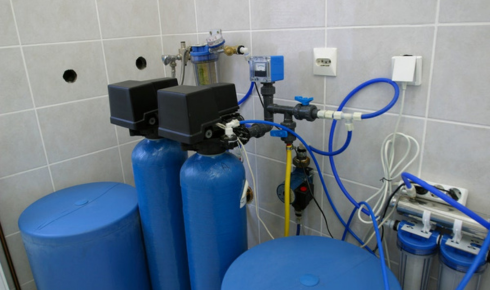
Think about something as simple as a water system or an appliance filter. Ignoring routine cleaning or inspection might not cause immediate trouble. But over time, buildup accumulates, efficiency drops, and wear increases.
This is where practical maintenance tips become incredibly valuable. They don’t require technical expertise or special tools. Often, they involve small steps—checking connections, cleaning components, or monitoring performance regularly.
These small actions act like early warnings. They catch potential issues long before they escalate into costly repairs.
The Emotional Comfort of Knowing You’re Prepared
There’s a certain peace of mind that comes from knowing you’re taking care of your home properly. You’re not constantly worrying about unexpected breakdowns or surprise expenses.
Instead, you trust your systems to function reliably because you’ve given them the attention they need. That trust reduces stress in ways that are easy to overlook but deeply felt.
When maintenance becomes part of routine life, homeownership starts to feel less overwhelming—and much more manageable.
Understanding the Value of Warranty Protection
Another area homeowners often overlook is the importance of warranties. It’s easy to treat warranty documents as fine print that rarely matters.
But in reality, warranty coverage can save significant amounts of money if something goes wrong. Many repairs or replacements are fully or partially covered—provided certain conditions are met.
The key is understanding those conditions before you need them. Some warranties require regular maintenance records. Others specify proper installation standards or approved service providers.
Taking the time to review these details ensures you can fully benefit from the protection you already have.
And perhaps more importantly, it prevents the frustration of discovering coverage limitations too late.
Why Knowing How Systems Work Makes a Difference
Most home systems are designed to be user-friendly. They include indicators, alerts, and instructions that help homeowners recognize when something needs attention.
But these features only help if people know how to interpret them.
This is where troubleshooting guidance becomes incredibly useful. Instead of immediately calling a technician for every issue, homeowners can often resolve minor problems themselves.
Simple steps—like resetting a system, adjusting settings, or clearing blockages—can restore normal operation quickly.
Understanding these basic procedures saves time and reduces unnecessary service costs.
The Hidden Benefits of Preventive Care
Preventive maintenance doesn’t just avoid repairs—it also improves overall efficiency. Systems that operate cleanly and correctly use less energy, last longer, and perform more consistently.
For example, regularly maintained appliances often consume less electricity. Plumbing systems with proper upkeep experience fewer pressure fluctuations.
Over time, these efficiency gains translate into noticeable savings on utility bills and replacement costs.
It’s a long-term benefit that quietly adds value to everyday living.
The Role of Organization in Home Maintenance
One simple but powerful habit is keeping documentation organized. Manuals, warranty records, and service logs are often scattered or forgotten.
Creating a dedicated folder—whether physical or digital—makes accessing important information much easier when needed.
This small organizational step prevents the stress of searching for details during urgent situations.
And it ensures that maintenance and warranty requirements are clearly documented.
Building Confidence Through Knowledge
Homeownership can sometimes feel intimidating, especially when dealing with technical systems. But gaining a basic understanding of how these systems operate builds confidence over time.
You don’t need to become an expert. Simply knowing the basics—how to perform routine checks, when to schedule maintenance, and how to identify warning signs—makes a significant difference.
That knowledge transforms home care from a reactive task into a proactive routine.
The Quiet Power of Consistency
Consistency is often the most underrated factor in home maintenance. Occasional attention isn’t enough—small, regular actions create the most reliable results.
Checking systems periodically, following maintenance schedules, and staying informed about warranties ensures long-term performance.
These habits don’t require dramatic effort. They simply require attention and consistency.
And over time, they create a home environment that feels stable and dependable.
A Simple Approach That Pays Off
At its core, maintaining a home effectively isn’t about expensive upgrades or complicated strategies. It’s about understanding what you have, caring for it regularly, and being prepared when something needs attention.
Following basic maintenance practices, understanding warranty protections, and knowing how to troubleshoot minor issues can transform how smoothly your home operates.