There’s something deeply satisfying about having your own well.
No monthly water bill. No dependence on city infrastructure. Just groundwater drawn straight from beneath your property — steady, private, yours.
But anyone who’s lived with a well for more than a few months knows this: independence comes with responsibility.
Well water can be beautifully fresh. It can also be unpredictable. The taste might change slightly with the seasons. You may notice staining on fixtures. Or maybe one morning you turn on the tap and catch a smell that makes you pause.
That’s usually when the conversation around well water treatment begins.
Not because something is wrong, necessarily. But because groundwater is alive with minerals and naturally occurring elements. Managing them is simply part of the deal.
The Nature of Groundwater
Unlike municipal water, which is treated at centralized facilities before reaching your home, well water flows directly from underground aquifers into your plumbing.
As it travels through layers of rock and soil, it absorbs whatever those layers contain — minerals, metals, sometimes organic compounds.
That’s not a flaw. It’s geology.
In many areas, groundwater is perfectly pleasant. In others, it carries iron, manganese, sulfur compounds, or sediment. And because wells aren’t regulated the same way municipal supplies are, testing and treatment fall on the homeowner.
It sounds daunting. It’s really just proactive.
The Iron Issue
If you’ve ever noticed reddish-brown stains in sinks or around toilet bowls, iron is a likely culprit.
Iron in water isn’t typically harmful at common levels, but it’s stubborn. It can discolor laundry, stain fixtures, and give water a metallic taste.
This is where iron removal systems play a crucial role.
Depending on the form of iron present — dissolved (ferrous) or oxidized (ferric) — different filtration or oxidation methods may be recommended. Some systems use air injection to oxidize iron before filtering it out. Others rely on specialized media filters designed to capture iron particles.
The difference once iron is reduced is noticeable. Laundry stays brighter. Fixtures stay cleaner. And the metallic edge in the water often fades.
It’s less about perfection, more about practicality.
When Water Smells Like Rotten Eggs
Then there’s the smell.
That unmistakable rotten egg scent is typically caused by hydrogen sulfide gas. It can appear intermittently or consistently, depending on groundwater conditions.
If you’ve experienced it, you know how quickly it changes your perception of water. It doesn’t necessarily mean the water is unsafe. But it’s unpleasant.
Addressing sulfur odor often involves oxidation systems, aeration, or filtration media designed to neutralize hydrogen sulfide. In some cases, simple carbon filtration can help. In others, more targeted treatment is necessary.
Once the smell is gone, you realize how much you’d been tolerating. Showers feel fresher. Kitchen water becomes more inviting. The house simply feels cleaner.
Sediment and Seasonal Changes
Wells are dynamic.
Heavy rain, drought, seasonal shifts — they can all influence water clarity. Sediment may increase temporarily. Cloudiness might appear and then disappear.
Sediment filters are often the first line of defense in well systems. They capture sand, silt, and debris before it reaches appliances or plumbing fixtures.
Even if sediment isn’t visible in a glass, it can accumulate in pipes and water heaters over time. Managing it early prevents gradual wear.
It’s one of those small investments that quietly pays off.
Testing: The Most Important First Step
Before installing any system, testing is essential.
Annual water testing for bacteria is widely recommended for well owners. Beyond that, testing for iron, manganese, sulfur, nitrates, hardness, and pH provides a clearer picture of what you’re dealing with.
Without testing, treatment becomes guesswork.
With testing, solutions become targeted.
And targeted systems perform better, cost less in the long run, and require less troubleshooting.
It’s Not One-Size-Fits-All
Well water is highly regional. What works for a neighbor down the road may not be appropriate for your property.
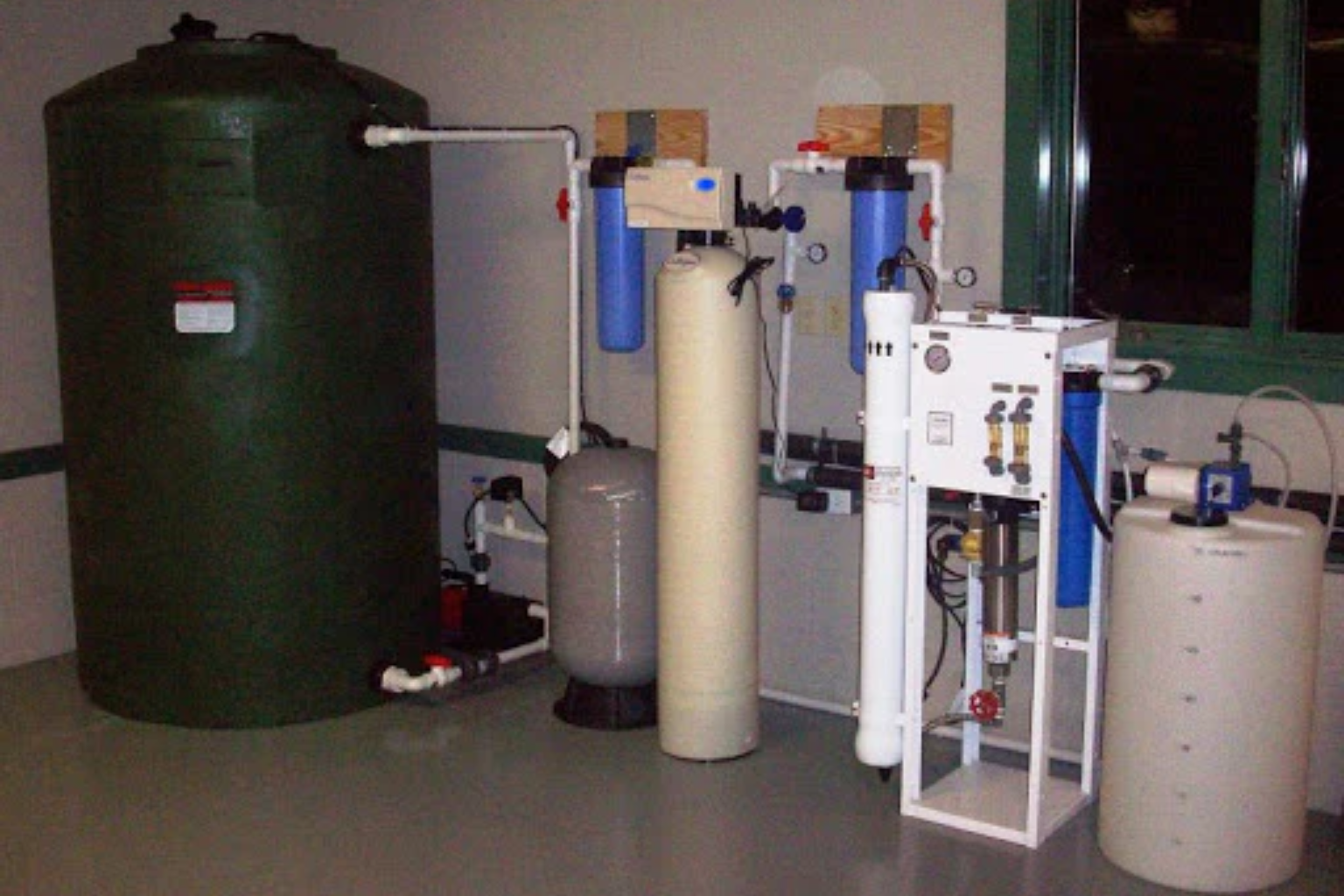
Some homes need basic sediment filtration and iron reduction. Others benefit from UV systems to address bacterial concerns. Still others require pH adjustment or water softening to manage hardness.
The key is designing a system around your water profile — not a generic template.
That customization is what makes well ownership manageable instead of stressful.
Maintenance Is Part of the Equation
Well water systems aren’t “install and forget.”
Filters need changing. Media needs replacing. Systems require occasional inspection.
But once you establish a maintenance rhythm, it becomes routine — like servicing a septic system or changing HVAC filters.
The payoff? Reliable water that supports your home without surprises.
The Comfort of Control
There’s something reassuring about understanding your water.
Instead of wondering why stains appear or why the tap smells off, you know the cause. You know the solution.
Well water treatment isn’t about chasing perfection. It’s about balance — reducing iron, eliminating odor, managing sediment — so that the water flowing into your home feels consistent and dependable.
That consistency changes how you experience daily life.
Final Thoughts
Living with a well isn’t complicated. It just requires attention.
Groundwater carries character — minerals, trace elements, sometimes quirks. Addressing those quirks through thoughtful treatment allows you to enjoy the independence of well ownership without the inconvenience.