Most people don’t install a water softener because it sounds exciting.
There’s no dramatic “before and after” reveal. No sleek design feature to show off to guests. It’s not like remodeling a kitchen or installing new floors.
And yet, if you live in an area with hard water, a softener might quietly become one of the smartest upgrades you ever make.
Hard water doesn’t usually announce itself loudly. It shows up gradually—white buildup around faucets, stiff laundry, cloudy glasses, soap that refuses to lather properly. Annoying? Sure. But the real story runs deeper than surface inconvenience.
Let’s talk about what actually happens over time.
The Slow Creep of Hard Water
Hard water contains higher levels of dissolved minerals, primarily calcium and magnesium. These minerals aren’t dangerous to drink. In fact, they occur naturally in groundwater.
The problem isn’t safety. It’s accumulation.
When hard water is heated or evaporates, those minerals remain behind. Over months and years, they build up inside pipes, water heaters, washing machines, and dishwashers.
At first, you notice minor signs—chalky residue on fixtures. Slight spotting on dishes. A little extra scrubbing during cleaning.
But internally, scale is forming where you can’t see it.
And that’s where costs begin to add up.
What Happens Inside Your Plumbing
Scale buildup doesn’t just sit on surfaces. It narrows pipe diameters and coats heating elements. This reduces water flow and interferes with heat transfer.
Over time, the strain can lead to inefficiencies and repairs.
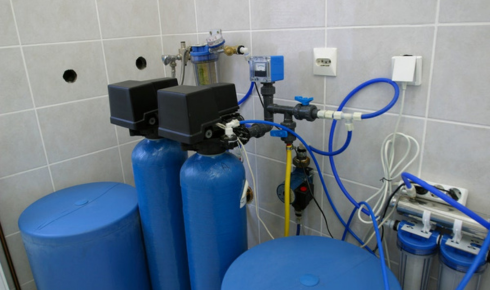
One of the most overlooked advantages of installing a softener is plumbing protection. By removing hardness minerals before they circulate through your home, a water softener helps prevent scale from forming in the first place.
Think of it as preventive care rather than reactive repair.
You might never notice it day to day. But your plumber probably will.
Appliances Last Longer Than You Expect
Water heaters are particularly vulnerable to mineral buildup. When scale coats the heating element, it acts like insulation—forcing the heater to work harder and consume more energy to produce the same result.
Dishwashers and washing machines experience similar stress. Over time, internal components wear down faster.
Softened water reduces that burden.
The long term benefits of water softener systems often show up years later, when appliances are still running smoothly while others in similar homes have already been replaced.
It’s not dramatic. It’s steady.
And steady performance is valuable.
Soap, Detergent, and Everyday Comfort
Hard water interferes with soap’s ability to lather. Instead of rinsing clean, soap binds with minerals and forms residue.
That means:
- More detergent per load of laundry
- More shampoo during showers
- More cleaning products overall
Softened water improves soap efficiency. You use less product to achieve the same result.
Laundry feels softer. Dishes dry clearer. Skin often feels less tight after bathing.
It’s a subtle shift—but noticeable.
And over time, those small reductions in product usage contribute to measurable utility savings.
Less detergent. Lower energy consumption. Reduced maintenance.
Incremental improvements become meaningful.
Energy Efficiency Adds Up
We don’t often connect water hardness with energy bills, but they’re linked.
Scale inside a water heater forces it to run longer to heat water effectively. That translates to increased energy consumption.
By reducing mineral buildup, a softener allows heating elements to function closer to their intended efficiency.
It’s not about slashing bills in half overnight.
It’s about preventing gradual waste that compounds over years.
Efficiency is rarely flashy. But it’s powerful.
The Comfort Factor Isn’t Just Cosmetic
There’s also a comfort element that many homeowners don’t anticipate.
Softened water often feels smoother. Skin may feel less dry. Hair can appear shinier. Showers rinse more cleanly.
These changes aren’t dramatic transformations. They’re incremental improvements in daily experience.
When something touches your skin every single day, even small enhancements matter.
Is It Necessary for Everyone?
Not every home requires a water softener.
Water hardness varies significantly by region. Some areas have relatively soft water already. In those cases, the benefits may be minimal.
Testing your water is the smartest first step. Understanding your hardness level allows you to make an informed decision rather than reacting to assumptions.
If hardness levels are high, the long-term advantages become more compelling.
If they’re low, simpler solutions might suffice.
The key is data—not guesswork.
Maintenance and Realistic Expectations
Owning a water softener isn’t completely hands-off.
Salt needs replenishing. Systems require occasional inspection. But maintenance is straightforward and predictable.
Compared to the cost and inconvenience of replacing appliances prematurely or dealing with plumbing repairs, upkeep is manageable.
It becomes just another part of routine home care.
Thinking in Years, Not Months
The value of a water softener doesn’t always show up in the first month.
It reveals itself gradually—through reduced buildup, smoother operation, lower product usage, and fewer service calls.
It’s an investment in consistency.
And consistency in home performance often matters more than dramatic upgrades.
A Quiet Upgrade That Pays Off
We often chase improvements that look impressive.
New countertops. Updated fixtures. Smart home gadgets.
But some of the most impactful upgrades are the ones you don’t see.
By addressing hard water at its source, you protect plumbing infrastructure, preserve appliance efficiency, and enhance everyday comfort.