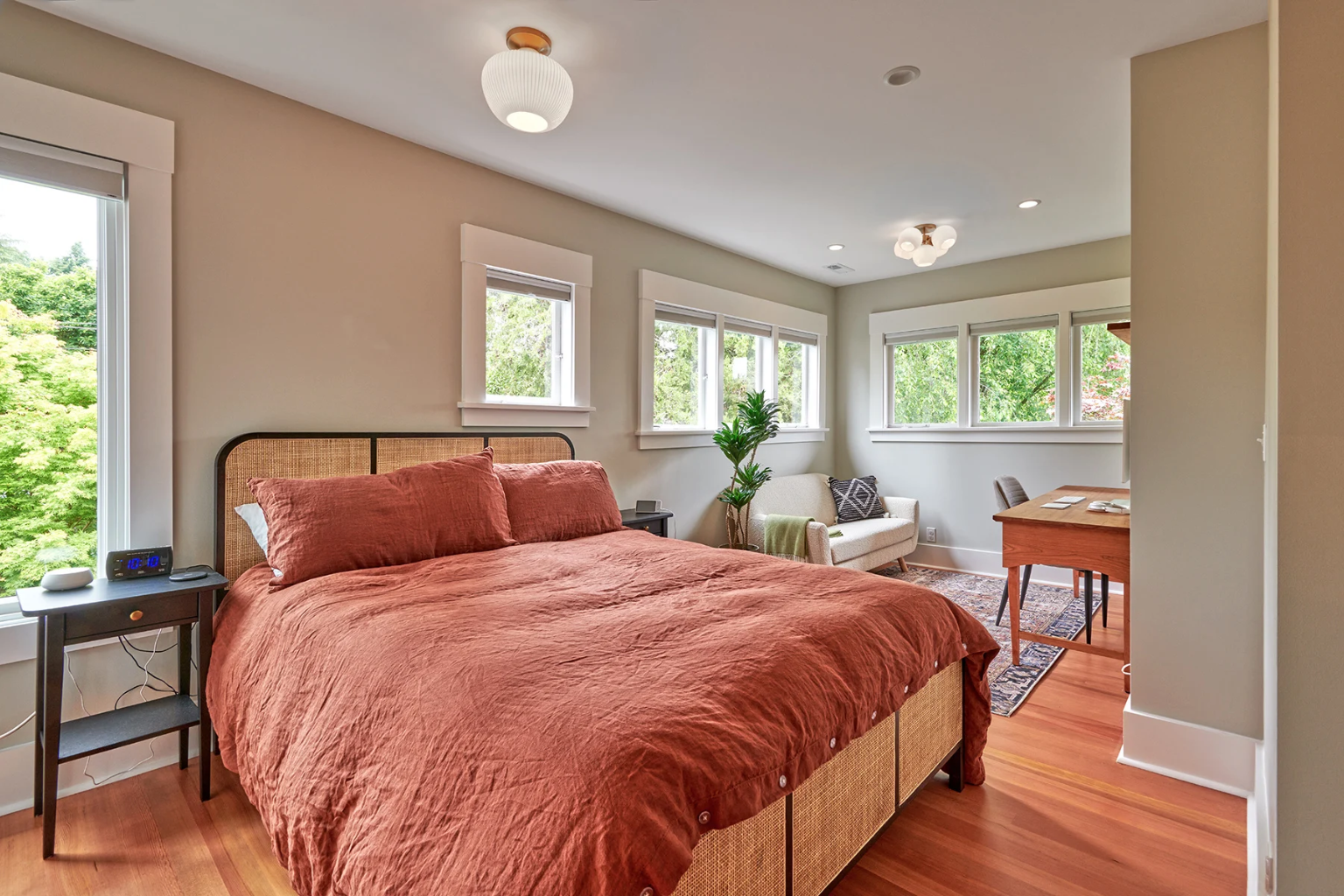
There’s a quiet myth floating around in home design conversations — that bigger automatically means better. Bigger kitchen, bigger living room, bigger bedroom. And sure, space can be luxurious. But when it comes to bedrooms, size isn’t the whole story. In fact, sometimes it’s barely part of it.
I’ve seen compact bedrooms that feel like serene retreats and oversized ones that feel oddly empty and disconnected. What makes the difference isn’t square footage. It’s how the space is used.
Before you start wishing for more room or knocking down walls, it might be worth asking: what actually makes a bedroom comfortable?
Understanding the Numbers (Without Obsessing Over Them)
Let’s start with something practical. The average bedroom size in many homes falls somewhere between 120 and 150 square feet. That’s not massive. It’s enough for a bed, a couple of nightstands, maybe a dresser — and not much else.
And yet, millions of people sleep perfectly well in rooms of that size every night.
The problem isn’t usually the dimensions. It’s how those dimensions are treated. A small bedroom can feel cramped if overloaded with bulky furniture. A larger one can feel cold if it lacks warmth or intention.
Size sets the stage. Design determines the mood.
Layout Is Everything
If you walk into your bedroom and immediately feel like you’re squeezing past furniture, the issue probably isn’t the room itself. It’s the arrangement.
Start with the bed — the natural anchor of the space. Ideally, allow some breathing room on both sides. If that’s not possible, focus on keeping at least one side accessible and clear. Even a few inches of extra walking space can change how the room feels.
Wall-mounted shelves instead of wide dressers. Slim nightstands instead of chunky tables. Furniture scaled to the room rather than dominating it.
Small shifts. Big impact.
Comfort Isn’t About Square Footage
True design comfort comes from how a room supports your habits and senses.
Is the lighting soft enough in the evening? Are the textures inviting? Do you have a place to set down a book or a glass of water without clutter piling up?
Comfort is layered. A breathable duvet. A rug underfoot so mornings don’t start with cold floors. Curtains that filter light gently rather than flooding the room at sunrise.
It’s not about how much space you have. It’s about how thoughtfully that space is treated.
Color and Light: The Illusion Makers
Light and color are powerful tools, especially in smaller bedrooms.
Lighter shades — soft neutrals, muted pastels — tend to make rooms feel more open. That doesn’t mean everything must be white. Even deeper tones can work beautifully if balanced with good lighting.
Natural light helps enormously. Keep window treatments simple and airy if privacy allows. If natural light is limited, layer artificial lighting: bedside lamps, maybe a subtle wall sconce.
Harsh overhead lighting alone can flatten a room, making it feel smaller than it actually is.
A well-lit room always feels more generous.
Storage Without Suffocation
Bedrooms often double as storage hubs, especially in smaller homes. Clothes, linens, seasonal items — they all need somewhere to live.
But visible clutter shrinks a room visually.
Use under-bed storage if possible. Choose beds with built-in drawers. Install shelves higher on walls to free up floor space. Even hooks behind doors can reduce furniture needs.
The goal isn’t to eliminate storage. It’s to integrate it seamlessly.
When surfaces remain relatively clear, the room feels calmer. Larger, even.
Personal Style Makes the Difference
No matter the size, your bedroom should reflect you.
This is where thoughtful style tips come into play. Choose a color palette you genuinely love — not just one that’s trending. Layer textures rather than piling on objects. Mix materials subtly — maybe a wooden headboard against soft linen bedding.
Artwork can draw the eye upward, making ceilings feel taller. Mirrors can reflect light and create a sense of depth. Even vertical striped patterns on curtains can elongate the room visually.
But be selective. Too many decorative elements compete for attention. A few well-chosen pieces feel intentional.
When Bigger Isn’t Better
It’s worth noting that larger bedrooms come with their own challenges. Extra space can feel empty if not thoughtfully designed. Oversized rooms sometimes lack intimacy.
Adding a reading nook, a bench at the foot of the bed, or a soft area rug can define zones within a bigger room. It prevents the space from feeling like a hotel lobby rather than a retreat.
The key is proportion. Furniture should relate to the room’s scale, not fight against it.
Emotional Space Matters Too
Beyond physical dimensions, there’s another layer to consider — emotional space.
Does your bedroom feel like a sanctuary? Or does it double as an office, a storage room, a catch-all?
If possible, protect the bedroom’s primary purpose: rest. Limit work materials. Keep distractions minimal. Establish a small nightly ritual — dim the lights, make the bed, open the window for fresh air.
These habits reinforce the room’s role in your life.
Designing What You Have
At the end of the day, most of us aren’t working with dream-sized bedrooms. We’re working with what we have.
And that’s okay.
A well-designed smaller room often feels more inviting than a poorly planned large one. Comfort, intention, and thoughtful layout outweigh raw square footage every time.