There’s something deeply ordinary about filling a glass of water from your kitchen tap. It’s automatic. You don’t think about it much — until you do.
Maybe you catch a faint chlorine smell. Maybe your child wrinkles their nose and asks why the water tastes “weird.” Maybe you read a news story about aging infrastructure in another city and suddenly your own pipes don’t feel so invisible anymore.
We’ve come to expect that water is safe. And in many places, it absolutely meets regulatory standards. But “meets standards” and “feels reassuring” aren’t always the same thing.
That’s where filtering your drinking water becomes less about panic and more about confidence.
Taste Is Often the First Clue
Most people don’t start researching filtration systems because of fear. They start because of flavor.
Tap water can carry subtle traces of chlorine or minerals. Even when perfectly safe, it may taste slightly metallic or flat. Coffee tastes different. Tea seems dull. Ice cubes carry a faint aftertaste.
Installing drinking water filters often produces an immediate change. The water tastes cleaner. Lighter. Neutral.
It’s not dramatic — but it’s noticeable. And when water tastes good, you’re more likely to drink it. That alone is a quiet health win.
The Invisible Layer of Reassurance
Water systems are heavily regulated in many countries. But that doesn’t mean your home’s plumbing is new. Pipes age. Infrastructure varies. Seasonal changes affect supply.
Filtration adds an extra layer between the municipal source and your glass.
For many households, it becomes part of family water safety — not because the tap is dangerous, but because additional filtration provides reassurance.
Parents, especially, often think differently once children are involved. It’s no longer just about personal preference. It’s about long-term exposure, daily consumption, and small choices that add up over time.
A filter doesn’t replace regulation. It complements it.
More Than Just Drinking
Filtered water isn’t just for sipping. It influences cooking, too.
Pasta absorbs the water it’s boiled in. Soups and sauces are built on it. Vegetables are rinsed with it. Even rice tastes subtly different depending on water composition.
When the base ingredient improves, everything else tends to follow.
It’s easy to underestimate how often water enters your meals.
Bottled Water vs. Filtration
Some households respond to taste concerns by buying bottled water. It feels convenient at first. But cases stack up quickly. Plastic accumulates. Costs rise quietly month after month.
Installing a home filtration system shifts that pattern.
Over time, the environmental benefits become clear. Fewer plastic bottles. Reduced transportation impact. Less packaging waste.
It’s a small shift that aligns convenience with sustainability — and that balance feels increasingly important.
Choosing the Right System
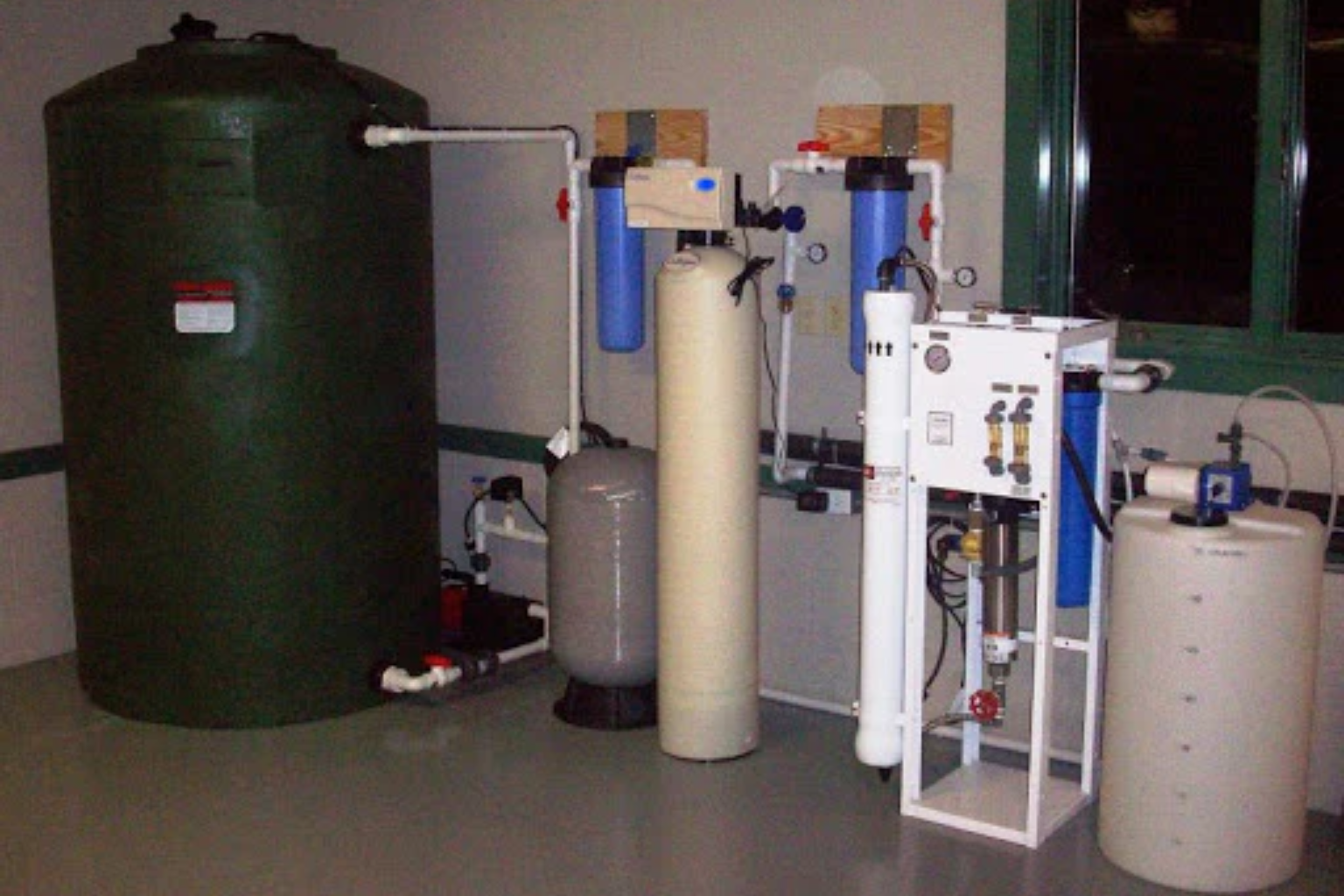
Not all filters are identical. Some are simple carbon filters designed to reduce chlorine and improve taste. Others, like reverse osmosis systems, remove a broader range of dissolved solids.
The right choice depends on your water source and personal priorities.
Testing your water first is often wise. It identifies mineral content, chlorine levels, and potential contaminants. With data in hand, you can choose a system tailored to your home’s specific needs.
Guesswork tends to lead to overspending — or underperforming solutions.
Maintenance Is Part of the Commitment
Installing a filter isn’t a one-time fix.
Cartridges need replacing. Systems require occasional cleaning. Ignoring maintenance reduces effectiveness and may even compromise water quality.
Fortunately, modern systems often include reminders or indicators. And once maintenance becomes routine, it feels less like a chore and more like a habit — similar to changing batteries in smoke detectors.
Consistency ensures continued confidence.
Cost vs. Long-Term Value
Upfront costs for filtration systems vary. Some are modest under-sink units. Others are more advanced installations.
But when compared to ongoing bottled water purchases, many systems pay for themselves over time.
Beyond financial comparison, there’s value in reliability. No running out of bottles. No lugging cases from the store. No wondering what’s actually in that plastic container.
Just turn on the tap.
The Psychological Comfort of Clean Water
There’s something quietly reassuring about drinking water that feels intentionally prepared.
You’re not relying solely on infrastructure you can’t see. You’ve taken an additional step.
That sense of agency — of control over what enters your body daily — matters more than we often admit.
It’s not about suspicion. It’s about stewardship.
A Small Upgrade With Lasting Impact
Filtering your drinking water won’t change your home’s appearance. It won’t make for dramatic before-and-after photos.
But it changes how you feel about something you interact with constantly.