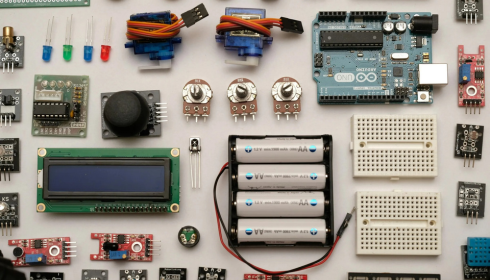
Electronic components play a crucial role in modern technology, powering everything from household appliances to industrial machines. Among the most commonly used components in DIY electronics, robotics, and educational projects are DC motors and LEDs. Whether you are a student, hobbyist, or professional engineer, understanding these components can help you build efficient and innovative projects.
What is a DC Motor?
A DC motor is an electrical device that converts direct current (DC) electrical energy into mechanical energy. It operates on the principle of electromagnetism, where electrical current flowing through a magnetic field creates motion.
DC motors are widely used in toys, robots, electric vehicles, fans, pumps, and automation systems. Their popularity comes from their simple design, ease of control, and reliable performance.
When purchasing a motor, many buyers compare dc motor price based on factors such as power rating, voltage, speed, torque, and brand reputation. Small motors for hobby projects are generally affordable, while industrial-grade motors can cost significantly more due to their advanced capabilities.
Types of DC Motors
There are several types of DC motors available in the market:
Brushed DC Motors
These are the most common and economical motors. They use brushes and a commutator to transfer current to the motor windings.
Brushless DC Motors
Brushless motors offer higher efficiency, lower maintenance, and longer lifespan. They are commonly found in drones, electric vehicles, and high-performance equipment.
Geared DC Motors
These motors include a gearbox that helps increase torque while reducing speed. They are ideal for robotics and automation projects.
Mini DC Motors
Compact and lightweight, mini DC motors are commonly used in toys, small gadgets, and educational kits.
Understanding LEDs
LED stands for Light Emitting Diode. It is a semiconductor device that emits light when current passes through it. LEDs have become extremely popular due to their energy efficiency, long lifespan, and compact size.
Unlike traditional incandescent bulbs, LEDs consume less power and generate less heat, making them a preferred choice for modern lighting and electronic applications.
Why 5mm LEDs Are Popular
Among the various LED sizes available, the 5mm led is one of the most widely used options. It is commonly found in electronic circuits, indicators, educational projects, and decorative lighting applications.
The popularity of 5mm LEDs comes from their versatility and ease of use. They are available in multiple colors, including red, green, blue, yellow, and white. Their standard size makes them compatible with most electronic kits and circuit boards.
These LEDs are often used as power indicators, status lights, signal displays, and visual alerts in various devices.
Applications of DC Motors and LEDs
Both DC motors and LEDs are essential components in countless applications.
Robotics
Robots use DC motors for movement and LEDs for status indicators, sensors, and visual feedback.
Home Appliances
Many household appliances such as fans, mixers, and water pumps rely on DC motors. LEDs are used for display panels and indicator lights.
Automotive Industry
Modern vehicles use DC motors in power windows, windshield wipers, and cooling systems. LEDs provide efficient lighting for headlights, brake lights, and dashboards.
Educational Projects
Students frequently use DC motors and LEDs in science experiments and electronics learning kits because they are affordable and easy to work with.
Tips for Choosing Quality Components
When buying electronic components, always consider quality and reliability. Choose products from reputable suppliers to ensure consistent performance and durability.
For DC motors, check voltage ratings, torque specifications, and operating speed. For LEDs, verify brightness levels, color accuracy, and power requirements.
Reading product reviews and comparing specifications can help you make informed purchasing decisions while avoiding low-quality components.
Conclusion
DC motors and LEDs remain fundamental building blocks of modern electronics. From simple school projects to advanced industrial systems, these components continue to power innovation across multiple industries. Understanding their functions, applications, and selection criteria can help users create more effective and reliable electronic solutions. Whether you’re building a robot, designing a circuit, or learning electronics for the first time, investing in quality DC motors and LEDs is always a smart choice.