
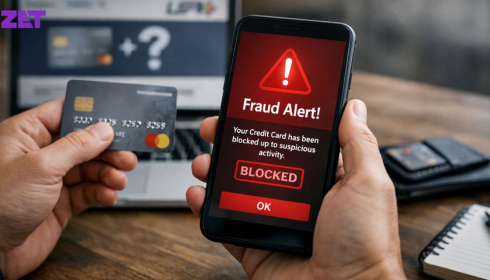
In today’s fast-paced digital world, credit cards have become a convenient way to manage expenses. However, with this convenience comes the risk of fraud. Many users face unauthorized charges without even realizing it immediately. Understanding how to deal with credit card fake transaction complaints and taking quick action can save you from financial loss and stress.
What Are Credit Card Fake Transactions?
Fake or unauthorized transactions occur when someone uses your credit card details without your permission. This can happen through phishing emails, data breaches, skimming devices, or even unsecured online payments. Sometimes, users only notice these transactions when reviewing their monthly statements.
The key is to stay alert. Regularly checking your transaction history helps you spot suspicious activity early. Even a small unknown charge should not be ignored, as fraudsters often test cards with minor amounts before making larger transactions.
Immediate Steps to Take After Fraud Detection
If you notice an unauthorized charge, don’t panic—but don’t delay either. The first step is to block your credit card immediately through your bank’s mobile app or customer care service. This prevents further misuse.
Next, inform your bank about the issue. Most banks have a dedicated fraud reporting system. Filing complaint against credit card misuse quickly increases your chances of reversing the transaction.
Make sure to note down the complaint reference number. This will help you track the progress of your case and provide proof if needed later.
How to File a Complaint Effectively
Filing a complaint is easier than most people think. Here’s a simple approach:
- Contact your bank’s customer support (call, email, or app)
- Clearly mention the unauthorized transaction details
- Provide transaction date, amount, and merchant name
- Submit any supporting proof if required
Many banks also allow online complaint submission through their official website. Additionally, you can escalate your issue to the banking ombudsman if the bank fails to resolve your complaint within a reasonable timeframe.
Timeframe for Resolution
Banks usually take 7 to 30 days to investigate fraud cases. During this period, they analyze transaction patterns and verify whether the activity was genuinely unauthorized.
In many cases, if the fraud is reported quickly, banks offer “zero liability” protection, meaning you may not have to bear any financial loss. However, delayed reporting can reduce your chances of getting a full refund.
Tips to Prevent Credit Card Fraud
Prevention is always better than cure. While banks provide security measures, users also need to stay cautious. Here are some practical tips:
- Never share your OTP, CVV, or card details with anyone
- Avoid using public Wi-Fi for online transactions
- Enable SMS and email alerts for every transaction
- Use secure and trusted websites for payments
- Regularly update your passwords
Small habits like these can significantly reduce your risk of fraud.
When to Escalate the Issue
If your bank does not resolve your complaint satisfactorily, you can escalate the matter to higher authorities. In India, the Reserve Bank of India (RBI) provides a platform for filing complaints against banks.
Before escalating, ensure you have all documents ready, including complaint numbers, communication records, and transaction details. This will strengthen your case and speed up the process.
Final Thoughts
Credit card fraud can happen to anyone, but staying informed and acting quickly makes all the difference. Always monitor your transactions and report suspicious activity immediately. Filing complaints correctly and on time ensures better protection and increases the chances of recovering your money.