Water is one of those things we rarely think about until something seems off. Maybe there’s an unusual smell when you turn on the tap, the water tastes slightly strange, or white mineral marks keep appearing around the sink. None of these issues necessarily mean your water is unsafe, but they can be signs that your home’s water quality could use some attention.
A well-designed water filtration system can help address many of these everyday concerns. More importantly, it can make water more pleasant to drink, use, and live with. The right solution depends on what’s actually present in your water, so it’s worth understanding the problem before choosing a filter.
Start by Understanding What’s in Your Water
Not all water problems look the same. Municipal water and well water can have very different characteristics, and even homes in the same neighborhood may experience different issues because of plumbing, storage tanks, or aging pipes.
Common concerns include chlorine, sediment, minerals, metals, unpleasant odors, and certain chemical compounds. Some contaminants can affect taste and smell, while others may contribute to staining, scale, or plumbing problems.
That’s why simply buying the most expensive filter on the shelf isn’t always the smartest move. Water testing can provide a clearer picture of what needs to be removed and which filtration technology makes sense.
Tackling Unpleasant Smells and Chemical Tastes
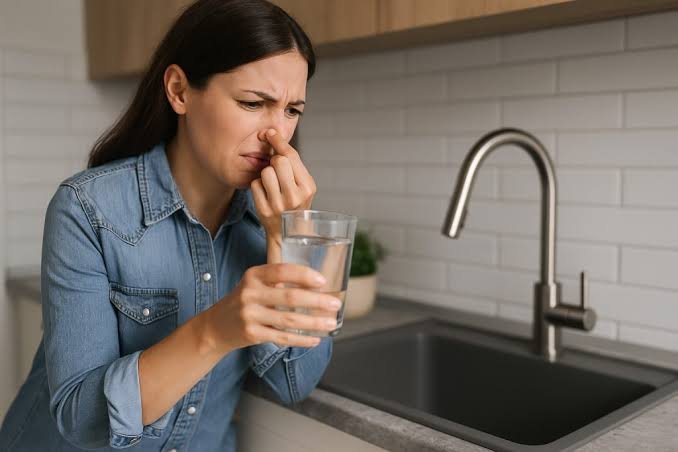
One of the first things homeowners notice about poor water quality is often the smell. Water may have a swimming-pool-like odor, a musty scent, or another chemical smell that makes you hesitate before filling a glass.
Filtration can reduce certain substances responsible for these sensory problems. Activated carbon, for example, is commonly used to reduce chlorine and some organic compounds. Depending on the source water and the specific system, other technologies may be needed for different contaminants.
Reducing chlorine and chemical odors can make showers, cooking, and drinking water feel noticeably better. It’s a small change, perhaps, but one you tend to appreciate every day.
Better-Tasting Water Can Change Your Habits
We all know we should drink enough water. Actually doing it is another story.
If tap water tastes unpleasant, people often reach for bottled water, flavored drinks, or soft drinks instead. Over time, that can become an expensive habit, not to mention the pile of plastic bottles.
A properly selected filtration system can improve taste by reducing substances that contribute to unwanted flavors and odors. When water tastes clean and fresh, it becomes much easier to reach for a glass from the kitchen tap.
And there’s something convenient about having good-quality water available whenever you need it. No carrying heavy cases from the store. No wondering whether you’ve got enough bottles left in the pantry.
Filtration Isn’t Just About Drinking Water
It’s easy to think of filtration as something that belongs under the kitchen sink. But water quality affects much more than what you drink.
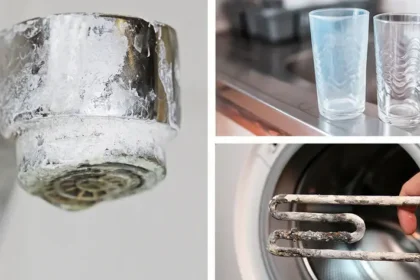
Hard water, for instance, contains elevated levels of minerals such as calcium and magnesium. These minerals aren’t necessarily harmful, but they can create scale inside pipes, faucets, showerheads, water heaters, and other equipment.
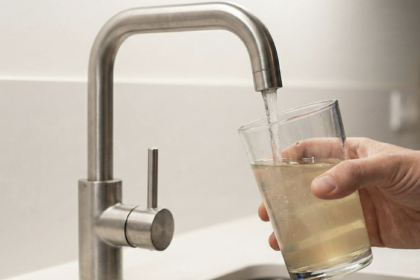
Sediment can also become a nuisance. Fine particles may enter plumbing fixtures and appliances, especially when water comes from a private well or an older distribution system.
For households dealing with hard water and mineral buildup, the right treatment approach can help protect appliances and reduce the gradual wear caused by untreated water. A water softener may be more appropriate than a basic drinking-water filter in these situations.
Choosing the Right Filtration System
There isn’t one universal filter that solves every water-quality problem. The best system depends on the source of your water and what you’re trying to accomplish.
A few common options include:
- Activated carbon filters: Often used to reduce chlorine, odors, and certain organic compounds.
- Sediment filters: Designed to capture sand, dirt, rust, and other suspended particles.
- Water softeners: Primarily used to reduce hardness minerals that cause scale.
- Reverse osmosis systems: Can reduce a broad range of dissolved substances and are commonly installed for drinking water.
- Whole-house filtration: Treats water as it enters the home rather than only at one faucet.
For some homes, a combination of technologies makes more sense than relying on a single filter. That’s why testing the water first is such a useful step.
Whole-Home Filtration vs. Point-of-Use Systems
Another decision is whether you need filtration throughout the house or only at a particular faucet.
A point-of-use system, such as an under-sink filter, may be enough if your main concern is drinking and cooking water. It can be a practical option for apartments or smaller households where whole-home treatment isn’t necessary.
A whole-house system takes a different approach. It treats incoming water before it reaches showers, sinks, laundry machines, and other fixtures. This can be particularly useful when unpleasant odors, sediment, or other water-quality concerns affect the entire property.
There’s no prize for choosing the biggest system. The goal is to choose the system that fits your actual water conditions.
Don’t Forget About Maintenance
Even a high-quality filtration system needs regular attention. Filters eventually become saturated, cartridges need replacement, and some systems require periodic cleaning or servicing.
Ignoring maintenance can reduce performance and, in some cases, create additional problems. Check the manufacturer’s recommendations and keep track of replacement schedules. It’s one of those boring household tasks that’s easy to postpone, but it matters.
If your water conditions change significantly, testing the water again can also be worthwhile. Well-water quality, for example, can shift with seasons, rainfall, groundwater conditions, or changes around the property.
A Smarter Approach to Better Water
Good water quality isn’t necessarily about making water “perfect.” It’s about understanding what’s in your water and treating the issues that actually matter to your household.
Start with testing rather than assumptions. Think about what bothers you most: taste, odor, sediment, hardness, staining, or something else. Then choose a treatment method designed for that specific concern.
The difference can be surprisingly practical. Water that tastes better may encourage healthier drinking habits. Cleaner-feeling water can make daily showers more enjoyable. Less mineral buildup may mean fewer stubborn stains and less stress on household equipment.
In the end, better water is rarely about one dramatic change. It’s usually the collection of small improvements that make a home feel a little cleaner, easier, and more comfortable. And honestly, that’s a pretty good reason to pay closer attention to what comes out of the tap.