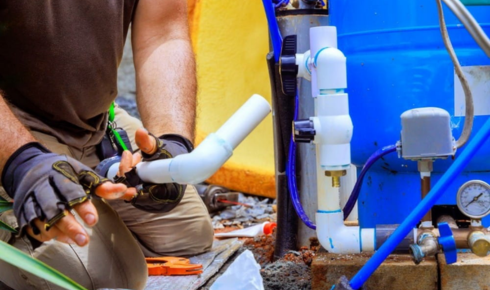
I called a plumber out for a slow drain in my upstairs bathroom, nothing dramatic, just one of those annoying maintenance things you put off for way too long before finally dealing with it. What I didn’t expect was for the guy to spend the last ten minutes of his visit talking about my water instead of the drain he’d actually come to fix. Turns out fixing drains and noticing water problems apparently go hand in hand for these guys, and mine had a lot to say once he got started.
When the Guy Fixing Your Pipes Notices More Than the Pipes
He mentioned, almost offhandedly, that my plumbing showed some pretty clear signs of mineral buildup — visible scaling around joints, a water heater that looked older than it should for its actual age, that kind of thing. I hadn’t thought to connect any of that to water quality before. In my head, plumbing problems and water problems were separate categories, plumbers fixed pipes, water companies handled water. Apparently that’s not really how it works, at least not practically.
He explained that hard water, over years, doesn’t just affect what comes out of your faucet — it actively shortens the lifespan of the pipes and fixtures it passes through daily. Scale builds up inside, narrows the diameter, makes your water heater work harder than it should, and eventually you’re paying for premature repairs on stuff that should’ve lasted another decade easy. It was one of those explanations that made a lot of previously confusing repair bills suddenly make a lot more sense in hindsight.
The Comment That Actually Got My Attention
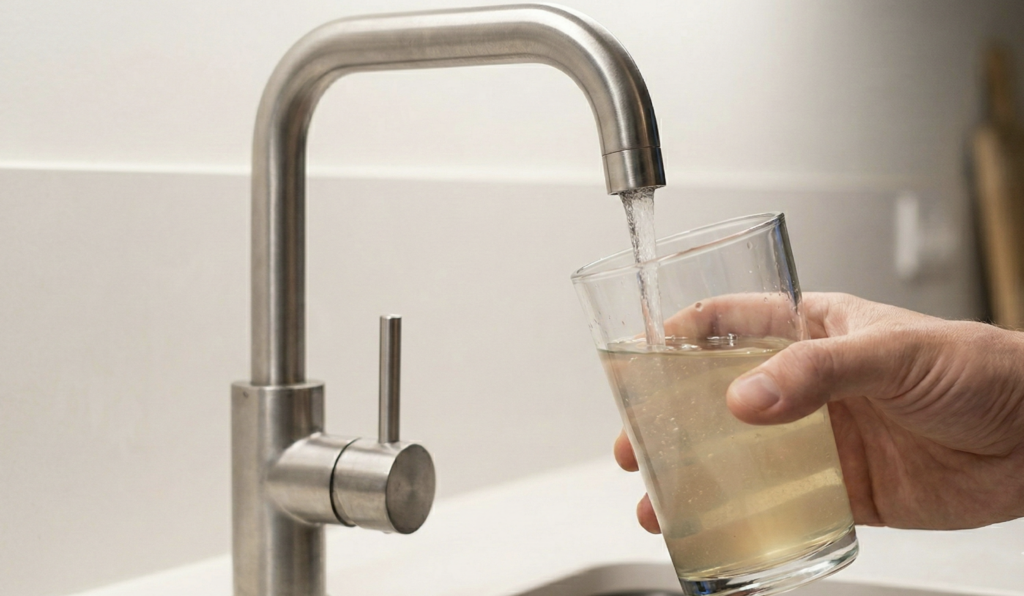
What really got me thinking, though, was when he asked, almost as a throwaway question, whether I’d noticed anything off about my water taste lately. I paused, actually had to think about it, and realized — yeah, actually, my coffee had tasted slightly different for a while now, and I’d just assumed it was the coffee maker getting old or the beans being a different batch. Never once considered the water itself might be the variable that changed.
He nodded like he’d heard this exact realization a hundred times before, which, fair, he probably had. Chlorine byproducts, sediment, mineral content — all these things affect taste in ways that creep up on you slowly enough that you adapt without noticing, the same way you stop smelling your own house after living there long enough. It’s only when something highlights the difference, a comment from a plumber standing in your bathroom, apparently, that you actually stop and reconsider what you’ve been drinking without a second thought.
Zooming Out From Just the Taste Thing
The conversation eventually widened into a broader discussion about water quality generally, which, honestly, I hadn’t planned on having with someone I called specifically about a slow drain. He walked me through the basics — hardness, contaminants, taste and odor issues, and how they’re all related but distinct problems that often get lumped together by people who, like me until that morning, don’t really understand the difference between any of them.
He was pretty clear that he wasn’t trying to upsell me on anything, which, given he primarily does plumbing repair rather than water treatment installs, tracked. He just seemed like the kind of guy who genuinely couldn’t help but point out a problem once he’d noticed it, professional curiosity or maybe just habit after years of seeing the same patterns in different houses.
What I Actually Did With All This Unsolicited Information
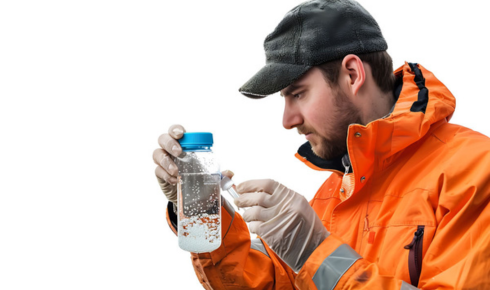
I ended up getting my water tested about two weeks later, mostly because his comments kept nagging at me every time I made coffee and second-guessed the taste. Turned out my water was moderately hard, with enough chlorine presence to explain the taste thing that had been bugging me without my fully realizing it. Nothing alarming, nothing urgent, just enough to justify actually doing something about it instead of continuing to just live with mildly weird-tasting coffee indefinitely.
It’s funny how a completely unrelated repair call ended up nudging me toward fixing something I hadn’t even realized needed fixing. I went in expecting a drain conversation and left with a partial understanding of my entire water situation, which wasn’t exactly what I signed up for that morning, but I can’t say I’m mad about it. Sometimes the person you call for one specific problem ends up noticing three other things you’d been quietly ignoring, and honestly, I’m grateful mine did. My coffee tastes normal again, and that’s a bigger deal than I expected it to be.