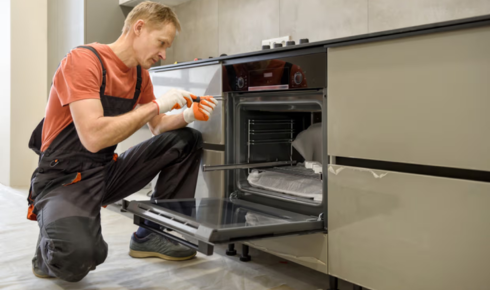
There’s something deeply comforting about the warmth of a working oven. Whether it’s a slow-roasted Sunday dinner, a batch of cookies, or a quick frozen pizza after a long day — that dependable heat is part of the rhythm of home. So, when it disappears without warning? Chaos. Frustration. Takeout.
It starts innocently enough. You set the temperature like always. The preheat light comes on. But ten minutes later, you realize… nothing’s happening. You open the door. Still cold. Maybe just a slight warmth, but nowhere near cooking temperature. At first, you second-guess yourself — Did I press start? Was the door shut all the way? But soon enough, you know: your oven’s not doing what it’s supposed to.
A Cold Oven Doesn’t Mean It’s Dead — It Means It Needs Help
This is where appliance heating repair becomes more than just a line item on a service invoice — it becomes the path back to daily life. Because when the oven stops heating, everything halts. Meal prep. Holiday baking. Even something as basic as reheating leftovers.
And let’s be real: these things never happen when you’ve got time to deal with them. It’s always just before guests arrive or right when you’ve committed to “cooking at home more.” Go figure.
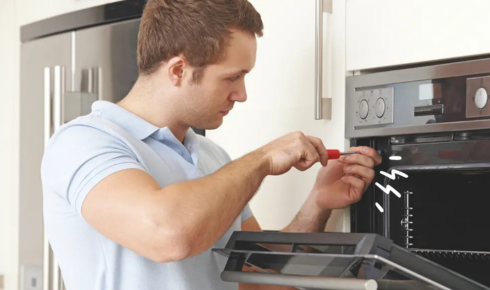
Heating issues can come from a handful of things — a burnt-out heating element, a malfunctioning temperature sensor, faulty wiring, or even a blown fuse in the control board. None of these are visible at a glance. That’s part of what makes it so maddening. It looks fine. But it isn’t.
When Temperatures Go Rogue: Not Hot Enough, Way Too Hot, or Totally Off
Sometimes your oven does heat — just not the way it should. Maybe everything is undercooked. Or the outside burns while the inside is still raw. It’s like the oven has a mind of its own.
That’s when you know it’s time for a temperature issues fix. Because cooking shouldn’t be a guessing game. You shouldn’t have to hover with a thermometer every time you bake something or keep adding “just five more minutes” over and over again.
These problems can stem from calibration issues, damaged sensors, or even something as seemingly minor as a misaligned dial. Whatever the cause, it throws off your cooking and chips away at your confidence in your appliances — and no one wants that.
The Diagnostics Dance: Getting to the Root of the Problem
If you’re calling a professional (which, spoiler, is often the smartest move), the first thing they’ll talk about is diagnostics. Not repairs. Not part replacements. First, they need to know why the heat is gone.
That’s where oven diagnostics come in. It’s not just plugging in a tool and waiting for a beeping light. It’s a process. Testing connections. Checking voltages. Inspecting elements, thermostats, relays, and control boards. Listening for hums and clicks that shouldn’t be there. Sometimes it even includes a test bake — not to enjoy a muffin, but to see how evenly (or unevenly) heat is being distributed.
This step matters because it stops you from wasting money on parts you don’t need or fixes that don’t stick. It’s like going to the doctor and getting proper bloodwork done before jumping into medication.
Why “Just Replace It” Isn’t Always the Answer
A lot of people — understandably — assume that if their oven stops working, it means they need a new one. And sometimes, yes, that’s true. If your unit is decades old, parts are discontinued, or it’s been repaired three times already, maybe it is time for a replacement.
But more often than not, a proper repair is faster, cheaper, and far less disruptive than replacing the whole unit. Especially if the fix is something common like a worn-out heating element or a loose wire. You don’t need to shell out for a new appliance when a simple part swap can bring your old one back to life.
Not All Repairs Are Created Equal
This part’s important: the person who shows up to fix your oven matters. A good technician isn’t just a part-swapper. They’re a troubleshooter. A communicator. Someone who explains the problem without jargon and tells you what your options are without pressure.
They show up with tools, sure. But more importantly, they show up with experience. That’s what you want in your kitchen — someone who knows what they’re doing and isn’t just guessing.
Keep It Warm, Keep It Working: A Few Care Tips
Once your oven is working again (or even before it breaks), there are a few easy habits that can keep things running smoothly:
- Avoid using the self-cleaning function right before a big event — it’s known to push weak parts over the edge.
- Clean up spills as they happen to avoid buildup that affects heating.
- Don’t slam the oven door — it can shake connections loose over time.
- Invest in an oven thermometer if you’re cooking precise meals. It helps catch small temperature shifts before they become big problems.
Final Thoughts: Fix the Heat, Fix the Flow
Ovens are more than just boxes that get hot. They’re where family dinners come together. Where lazy Sunday cinnamon rolls bake. Where casseroles, cookies, and comfort food come to life.
So when they stop working right, it’s not just about heating coils and control boards. It’s about losing a little piece of what makes your house feel like home.