
No one really prepares you for the in‑between moments after surgery. The operation itself gets all the attention — the prep, the paperwork, the nerves, the countdown. But once you’re home, sitting quietly with a cup of tea and a body that feels unfamiliar, that’s when the real experience begins.
Recovery isn’t dramatic. It’s subtle. It’s slow mornings, stiff movements, second‑guessing every ache, and celebrating things you never thought you’d celebrate before — like standing up without help or sleeping through the night again. This is surgical recovery in real life, not the polished version you see in brochures.
And honestly? That’s okay.
The First Few Days: Strange, Tender, and Very Real
Right after surgery, your body feels like it’s been through a negotiation it didn’t entirely agree to. There’s soreness, fatigue, maybe a little fog from anesthesia. Even simple tasks can feel surprisingly hard. You might wonder if you’re healing “fast enough,” or if that twinge means something’s wrong.
Here’s the truth most people don’t say out loud: recovery isn’t linear. One day you feel almost normal. The next, you’re exhausted after a shower. That back‑and‑forth doesn’t mean something’s wrong — it means your body is working.
The best thing you can do early on is slow down without guilt. Rest is not laziness. It’s active healing. Your body is rebuilding tissue, calming inflammation, and recalibrating systems that were temporarily disrupted. Give it space to do that.
Why Who Treats You Matters as Much as What’s Done
Surgery is technical, yes — but it’s also deeply personal. And that’s where expert surgical care makes a difference long after the incision is closed.
A skilled surgical team doesn’t disappear once the procedure is done. They check in. They explain what’s normal and what’s not. They take your concerns seriously, even when they seem small. Because to you, they’re not small — they’re your body, your comfort, your peace of mind.
Patients often remember how they were treated just as clearly as what was done. Feeling heard, reassured, and respected has a real impact on healing. Stress slows recovery. Confidence supports it. And good care builds confidence.
The Quiet Power of Modern Techniques
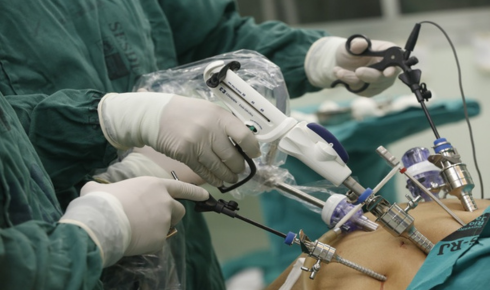
Surgery today doesn’t look like it did twenty years ago, and that’s a good thing. Smaller incisions. Better imaging. Faster procedures. Less trauma to surrounding tissue. These advances aren’t just impressive — they change how people feel afterward.
Thoughtful surgical techniques can mean less pain, fewer complications, and a smoother return to everyday life. Minimally invasive approaches, when appropriate, often allow patients to move sooner, eat sooner, and go home sooner. That momentum matters. It gives people a sense that healing is possible — and already happening.
Of course, not every situation allows for the newest approach. And a “simpler” technique doesn’t automatically mean a better one. What matters most is choosing the method that fits your condition, your body, and your long‑term health. A good surgeon knows when to innovate — and when not to.
Healing Isn’t Just Physical
This part rarely gets talked about, but it’s important. Surgery can mess with your head a little.
You might feel more emotional than usual. More vulnerable. Maybe impatient, or oddly anxious about your body. That’s normal. Surgery puts you in a position of surrender — you trust others with your safety — and that can leave an emotional imprint.
Some people feel a strange sense of gratitude afterward. Others feel frustration. Many feel both. There’s no right reaction.
What helps? Talking about it. Letting someone know when you’re having a rough day. Reminding yourself that healing includes your nervous system and your confidence, not just your incision.
The Small Wins Are the Big Wins
One of the most grounding parts of recovery is learning to notice progress where you once overlooked it.
The first walk down the driveway. The first time you bend without bracing. The day you realize you haven’t thought about pain in hours. These moments don’t come with announcements, but they matter more than dramatic milestones.
Recovery teaches patience in a quiet way. It asks you to pay attention. To respect your limits. To appreciate your body not for how it looks or performs, but for how hard it’s working behind the scenes.
Advice You’ll Actually Use
If you’re in recovery now — or preparing for surgery — here are a few grounded reminders that tend to hold up in real life:
- Follow instructions, but also listen to your body
- Don’t compare your healing timeline to someone else’s
- Ask questions, even if you think you’re asking too many
- Move gently when cleared — motion supports healing
- Rest without guilt
- Be patient with discomfort; most of it fades gradually
And if something truly feels off? Speak up. You know your body better than anyone else.
The Long View: Returning to Normal, Redefined
At some point, you stop counting days since surgery. You forget where you left the pain meds. You stop moving cautiously. Life creeps back in, quietly and naturally.
You might return to exactly who you were before — or you might return changed. Sometimes surgery brings clarity. Sometimes it brings relief. Sometimes it simply brings you back to baseline, and that’s enough.
Healing doesn’t always look dramatic. Often, it looks like stability. Like comfort. Like confidence returning slowly, then all at once.
Final Thoughts: Trust the Process, Trust Yourself
Surgery is a moment. Recovery is a relationship — with your body, your care team, and your expectations. When that relationship is built on patience, good communication, and thoughtful care, outcomes tend to follow.
Whether you’re just starting surgical recovery or nearing the finish line, remember this: healing is not a performance. You don’t need to rush, impress, or “bounce back.”
You just need to heal — in your own time, in your own way — supported by expert surgical care and guided by the right surgical techniques.